Gold has been a symbol for wealth, beauty, and luxury for centuries now. It’s important to be aware of gold jewelry purity when making a decision. Gold purity is measured in karats (K), which indicate how much pure gold is in a piece of jewelry. This guide will break down the differences between 10K, 14K, 18K, and 24K gold, helping you choose the best option based on your needs and preferences.
If you’re comparing gold for everyday use or special occasions, understanding karats is essential before choosing rings, bracelets, or necklaces.
The difference between 10K, 14K, 18K, and 24K gold is their purity, durability, and appearance. 24K is pure gold but soft, while 10K is the most durable. 14K and 18K provide the best balance for jewelry.
In short:
– 10K = strongest
– 14K = best overall
– 18K = richer & premium
– 24K = pure gold
Gold Karat Comparison Chart (10K vs 14K vs 18K vs 24K)
Here’s a quick comparison of 10K, 14K, 18K, and 24K gold based on purity, durability, and usage:
| Karat | Gold % | Durability | Color | Best For |
|---|---|---|---|---|
| 10K | 41.7% | Very High | Light Gold | Daily wear |
| 14K | 58.3% | High | Rich Gold | Engagement rings |
| 18K | 75% | Medium | Deep Gold | Luxury jewelry |
| 24K | 99.9% | Low | Bright Yellow | Investment |
What’s In A Karat: How Gold Purity Is Measured
When shopping for gold jewelry, you may notice different karat markings, such as 10K, 14K, 18K, and 24K. But what do these numbers mean? Gold purity is measured in karats (K), which indicate the percentage of pure gold in a piece of jewelry. A higher karat number means a higher percentage of gold.
Gold is naturally soft and is often mixed with other metals like copper, silver, and zinc to improve durability and strength. The karat system helps buyers understand how much pure gold is in their jewelry.
Gold purity is calculated out of 24 parts, meaning higher karats contain more pure gold and fewer alloys.
What is the Difference Between Karat and Carat?
Many people confuse “karat” and “carat,” but they are different terms:
- Karat (K) refers to the purity of gold.
- Carat (ct) is a unit of weight used for gemstones, such as diamonds.
For example, a 14K gold ring has 58.3% gold, while a 1-carat diamond weighs 0.2 grams.
Karat = gold purity
Carat = gemstone weight
How Is Gold Purity Measured?
Gold purity is measured using the karat system, which divides gold into 24 parts. For example:
- 24K gold is 100% pure gold (24/24 parts gold).
- 18K gold is 75% pure gold (18/24 parts gold, 25% alloy).
- 14K gold is 58.3% pure gold (14/24 parts gold, 41.7% alloy).
- 10K gold is 41.7% pure gold (10/24 parts gold, 58.3% alloy).
Many jewelers use acid tests, electronic testers, or hallmark stamps to verify gold purity.
Tip: Look for hallmark stamps like 10K, 14K, 18K, or 24K inside your jewelry to verify authenticity.
Difference Between 10K, 14K, 18K, and 24K Gold
The main difference between 10K, 14K, 18K, and 24K gold is their purity, durability, and usage. 24K gold is 100% pure but very soft, while 10K gold is the most durable with lower gold content. 14K and 18K gold offer a balance between strength, color, and value, making them popular choices for jewelry.
Each gold type has unique characteristics that affect durability, appearance, and cost.
10K Gold
- Purity: 41.7% gold, 58.3% alloy
- Pros:
- The most durable gold option
- Highly resistant to scratches and dents
- More affordable than higher-karat gold
- Ideal for everyday wear
- Cons:
- Less pure gold content results in a duller color
- May cause allergic reactions due to higher alloy content
- Not as luxurious in appearance as higher karats
- Best For: Everyday jewelry like rings, bracelets, and watches
14K Gold
- Purity: 58.3% gold, 41.7% alloy
- Pros:
- Great balance between durability and gold purity
- Richer color compared to 10K gold
- Popular choice for engagement rings and wedding bands
- More affordable than 18K and 24K gold
- Cons:
- Can still cause allergic reactions for people sensitive to alloys
- Not as rich in color as higher karats
- Best For: Engagement rings, necklaces, and everyday jewelry
18K Gold
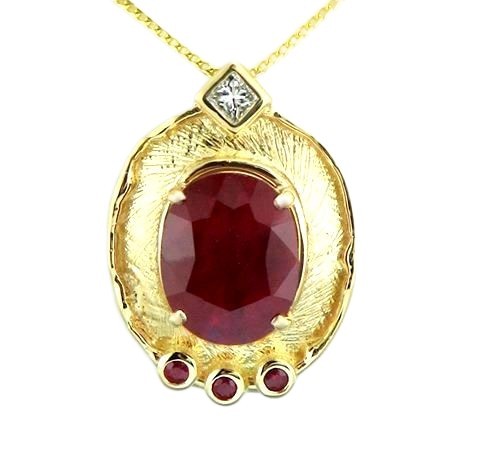
- Purity: 75% gold, 25% alloy
- Pros:
- Rich, warm yellow color
- Higher purity means fewer alloy-related allergic reactions
- More luxurious and valuable than 10K and 14K gold
- Cons:
- Softer than 10K and 14K gold, making it prone to scratches
- More expensive due to higher gold content
- Requires more maintenance to keep its shine
- Best For: High-end jewelry, wedding bands, and fine accessories
24K Gold
- Purity: 100% pure gold
- Pros:
- The purest and most valuable form of gold
- Does not tarnish or corrode
- Hypoallergenic, making it ideal for sensitive skin
- Vibrant gold color
- Cons:
- Very soft and prone to bending or scratching easily
- Not ideal for daily wear
- The most expensive gold option
- Best For: Investment purposes, collectible items, and luxury jewelry
Read More: Gold vs. Silver? Choose the Right Jewelry Metal
Why Isn’t Pure Gold Used to Make All Jewelry?
While 24K gold is the purest form, it is too soft for daily wear. Jewelry made from 100% gold would bend or scratch easily. That’s why jewelers mix gold with stronger metals like copper or silver to increase their durability, ensuring that pieces last longer without losing their beauty.
Which Gold Should You Choose?
– Choose 10K if you want maximum durability at a lower price
– Choose 14K for the best balance of strength and beauty
– Choose 18K if you prefer richer color and higher purity
– Choose 24K for investment or pure gold value
Which Gold Type Is Right for You?
Choosing the right gold depends on:
- Budget – 10K and 14K gold are more affordable, while 18K and 24K are more expensive.
- Durability – If you want jewelry for everyday wear, 10K or 14K gold is best.
- Color Preference – Higher karat gold has a richer, deeper gold color.
- Skin Sensitivity – 18K and 24K gold have fewer alloys, making them ideal for sensitive skin.
Final Thoughts: Choosing the Right Gold Karat
Understanding the difference between 10K, 14K, 18K, and 24K gold helps you make a smarter buying decision. Whether you prioritize durability, color, or value, each type of gold serves a unique purpose. For everyday wear, lower karats offer strength, while higher karats provide unmatched purity and luxury.
Where Can I Buy Gold in York, PA?
Selecting the ideal gold jewelry may be difficult, but with the help of expert professionals, you can have the ideal piece that suits your requirements. If you are in York, PA, Gem Boutique is the Best Place to Sell Gold with a diverse range of 10K, 14K, 18K, and 24K gold jewelry. Our professional staff can guide you in making the best decision, so you select a piece that is appropriate for your choice and affordable price.
Visit our store in York, PA, or contact us for more details.
Frequently Asked Questions
Which gold is best for everyday wear?
10K and 14K gold are best for daily wear because they are more durable and resistant to scratches.
Is 14K or 18K gold better?
14K gold is better for durability and affordability, while 18K gold offers higher purity and a richer color.
Why is 24K gold not used in jewelry?
24K gold is too soft and can bend or scratch easily, making it unsuitable for everyday jewelry.
Does higher karat gold mean better quality?
Higher karat gold has more purity, but not always better durability. The best choice depends on your usage.