Diamonds are one of the most valuable and meaningful gemstones you can own. Whether you inherited a ring, received a diamond as a gift, or are shopping for an engagement diamond ring, it is natural to wonder: How can you tell if a diamond is real?
With so many diamond alternatives available today, including cubic zirconia, moissanite, and lab-created diamonds, it can be difficult to know what you are actually looking at. Some traditional “at-home diamond tests” can offer clues, but they are not reliable enough to confirm a diamond’s identity.
The most dependable way to determine whether a diamond is genuine is to have it examined by a qualified jewelry professional or gemologist.
In this guide, we will explain how to tell if a diamond is real, which popular tests you should avoid, how natural diamonds differ from lab-created diamonds, and when professional diamond testing is the best choice.
What Does “Real Diamond” Mean?
Before testing a diamond, it helps to understand what the term “real” actually means.
A natural diamond forms deep inside the Earth under extreme heat and pressure over millions or even billions of years. A lab-created diamond, also called a laboratory-grown diamond, is made using advanced technology that replicates the conditions under which diamonds form.
Both natural and lab-created diamonds are diamonds. Their origins are different, but lab-created diamonds are not simply fake stones or imitations.
Diamond alternatives such as cubic zirconia and moissanite, however, are different gemstones. They can look similar to diamonds but do not have the same chemical and physical properties.
If you are trying to understand the difference between the two types of genuine diamonds, our guide toNatural Diamonds vs. Lab-Created Diamonds provides a more detailed comparison.
How Can You Tell If a Diamond Is Real?
There are several ways to evaluate a diamond. Some can be performed as preliminary checks, while others require professional equipment and expertise.
Here are some of the most important methods.
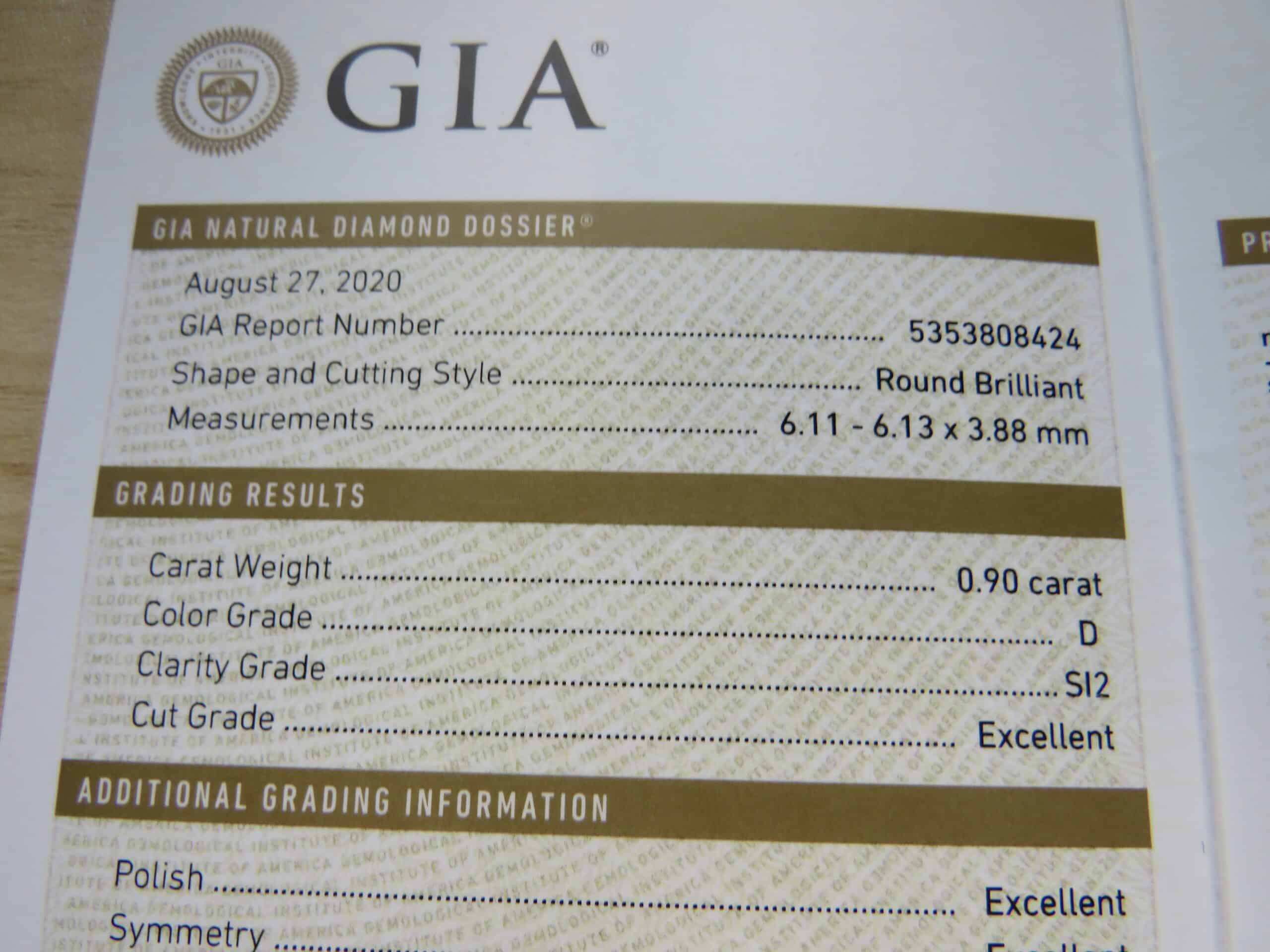
1. Check for a Diamond Grading Report
One of the first things to look for when purchasing a diamond is an independent grading report.
A reputable gemological laboratory can evaluate a diamond and document important characteristics such as:
Carat weight
Color
Clarity
Cut
Measurements
Treatments, when applicable
Whether the diamond is natural or laboratory-grown
A grading report gives you independent information about the stone rather than relying solely on a seller’s description.
If a diamond has a GIA report, for example, you can use GIA’s report verification service to confirm that the report information corresponds with the laboratory’s records.
However, remember that a report number alone should not be treated as proof that a diamond is genuine. The report should be verified and, when appropriate, the diamond itself should be professionally examined.
2. Look for a Laser Inscription
Many professionally graded diamonds have a microscopic laser inscription on the girdle, which is the narrow edge around the diamond.
This inscription may include the identification number associated with the diamond’s grading report.
Because the inscription is extremely small, you will normally need magnification to see it.
A professional jeweler or gemologist can examine the girdle and compare the inscription with the accompanying documentation.
Keep in mind that a laser inscription by itself is not absolute proof that a diamond is natural or genuine. It should be considered alongside professional examination and reliable documentation.
3. Examine the Diamond Under Magnification
A jeweler’s loupe or microscope can reveal details that are difficult to see with the naked eye.
A trained professional may examine a diamond for:
Internal inclusions
Surface blemishes
Facet characteristics
Polish
Symmetry
Growth patterns
Signs of treatments
Characteristics associated with laboratory-grown diamonds
Features that may indicate a diamond simulant
Natural diamonds commonly contain internal characteristics created during their formation. However, the presence or absence of visible inclusions does not automatically determine whether a diamond is real.
Some laboratory-grown diamonds can be extremely similar to natural diamonds, and some diamond simulants can also appear convincing to an inexperienced observer.
For that reason, professional magnification is useful, but advanced testing may still be necessary.
4. Try the Fog Test, But Don’t Treat It as Proof
One of the most common diamond tests you may hear about is the fog test.
The idea is simple: hold the diamond close to your mouth and gently breathe on it. Some people claim that a real diamond will clear quickly while a fake diamond will remain foggy.
The problem is that this test is not reliable enough to authenticate a diamond.
Humidity, temperature, the condition of the diamond, and the way the test is performed can all affect the result. Natural diamonds and lab-created diamonds can also behave similarly.
So, if your diamond clears quickly, that does not prove that it is a natural diamond. Likewise, fogging does not automatically mean that the stone is fake.
Think of the fog test as an internet myth rather than a dependable authentication method.
5. Avoid the Scratch or Sandpaper Test
You may also come across advice suggesting that you scratch a gemstone with sandpaper to determine whether it is a diamond.
Do not do this.
Diamond is extremely hard, but intentionally scratching a gemstone or piece of jewelry is not an appropriate method of authentication.
A scratch test can damage a gemstone, its surface, or the jewelry surrounding it. It may also reduce the appearance and value of a piece.
There is no reason to risk damaging your jewelry when professional testing provides a much safer and more accurate alternative.
6. Don’t Assume Sparkle Proves a Diamond Is Real
Diamonds are famous for their brilliance, but sparkle alone cannot tell you whether a gemstone is genuine.
A diamond’s appearance depends on many factors, including:
Cut quality
Facet proportions
Symmetry
Polish
Lighting
Cleanliness
Color
Viewing angle
A well-cut diamond can produce exceptional brilliance, while a poorly cut diamond may look less impressive.
At the same time, some diamond simulants can produce significant sparkle of their own.
Therefore, judging a stone based solely on how much it sparkles can be misleading.
7. Look at the Jewelry Setting, but Don’t Rely on It
Another common misconception is that a genuine diamond must be mounted in expensive metal such as platinum or gold.
That is not necessarily true.
Diamonds can be set in many different types of jewelry and metals. The setting itself does not prove whether the center stone is a diamond.
A valuable-looking ring can contain a simulant, while a genuine diamond can be set in a relatively simple piece of jewelry.
Instead of judging the stone based on the setting, have the gemstone itself examined.
Natural vs. Lab-Created Diamonds: Why It Matters
If a professional confirms that your stone is a diamond, there is another important question:
Is it natural or lab-created?
Natural diamonds and lab-created diamonds are both genuine diamonds, but they have different origins.
Natural Diamonds
Natural diamonds form naturally beneath the Earth’s surface over extremely long periods of time. Their unique geological history can result in individual characteristics and inclusions.
Lab-Created Diamonds
Lab-created diamonds are produced in controlled laboratory environments using advanced diamond-growing technology.
The two primary methods are:
HPHT (High Pressure High Temperature)
CVD (Chemical Vapor Deposition)
Lab-created diamonds can have essentially the same chemical composition and crystal structure as natural diamonds. As a result, they can be very difficult to distinguish from natural diamonds by appearance alone.
Specialized equipment and laboratory testing may be necessary to determine a diamond’s origin.
If you are shopping for a diamond, understanding this distinction can help you choose the option that best matches your preferences and budget.
Diamond simulants are not diamonds, although they are designed to resemble them.
Common examples include:
Cubic Zirconia
Cubic zirconia, often called CZ, is a synthetic gemstone commonly used as a diamond alternative. It can have impressive brilliance but has different physical and optical properties from diamond.
Moissanite
Moissanite is another popular diamond alternative. It is a naturally occurring mineral that is also produced commercially for jewelry. Its appearance can be very similar to diamond, although it has distinctive optical characteristics.
Other Simulants
Other gemstones and synthetic materials can also be used to imitate diamonds.
Because some simulants can look convincing, especially under certain lighting conditions, professional testing is the safest way to identify an unfamiliar stone.
Can a Jeweler Tell If a Diamond Is Real?
A qualified jeweler or gemologist can perform several tests to determine whether a stone is likely to be a diamond.
Professional evaluation may involve specialized diamond-testing equipment and magnification. Depending on the stone and the reason for testing, further laboratory analysis may be recommended.
This is particularly important when:
You are buying an expensive diamond
You inherited an older piece of jewelry
You are unsure about a diamond’s origin
You want to insure your jewelry
You are considering selling a diamond
You want to determine whether a stone is natural or lab-created
Your diamond does not have reliable documentation
A professional evaluation can provide significantly more confidence than an at-home test.
How Diamond Testing Can Protect You When Buying Jewelry
Knowing how to identify a genuine diamond is especially important when making a significant purchase.
A diamond’s identity is only one part of the buying decision. You also need to understand its quality, documentation, pricing, setting, and condition.
First-time buyers can easily overlook important details, particularly when they are focused on appearance or trying to stay within a specific budget.
Understanding common mistakes before you shop can help you ask better questions and make a more informed decision.
What Should You Check Before Buying a Diamond?
If you are shopping for a diamond, consider the following:
Verify the Grading Report
If the diamond has a laboratory grading report, verify the report information with the issuing laboratory.
Understand the 4Cs
The 4Cs: cut, color, clarity, and carat weight are important factors in evaluating a diamond.
However, carat weight alone does not determine a diamond’s value or beauty.
Ask About Diamond Origin
Find out whether the diamond is natural or laboratory-grown.
If origin is important to you, make sure it is clearly documented.
Ask About Treatments
Some diamonds may have undergone treatments designed to improve their appearance.
Ask whether any treatments have been performed and make sure they are disclosed.
Examine the Diamond and Setting
Look carefully at both the gemstone and the jewelry.
A professional examination can identify characteristics that may not be obvious to the average buyer.
Consider the Seller
Choose a reputable jeweler who is willing to answer questions, provide appropriate documentation, and explain the diamond’s characteristics clearly.
Common Diamond-Testing Myths
Many diamond tests are circulating online. Here are a few of the most common misconceptions.
Myth: A Real Diamond Will Never Fog
False. The fog test is not a dependable way to authenticate a diamond.
Myth: If It Sparkles, It’s a Diamond
False. Diamond simulants can also sparkle and look impressive.
Myth: A Diamond Must Scratch Glass
Although diamond is extremely hard, deliberately scratching glass is not a safe or reliable diamond authentication test.
Myth: A Diamond Is Only Real If It Is Natural
False. Lab-created diamonds are genuine diamonds. The important distinction is their origin, not whether they are diamonds.
Myth: You Can Always Identify a Fake Diamond With a Loupe
False. Magnification can reveal useful characteristics, but some stones require specialized testing to determine whether they are natural diamonds, lab-created diamonds, or simulants.
How to Tell If a Diamond Is Real at Home
If you already own a diamond and are simply curious about whether it is genuine, you can look for documentation and inspect the jewelry carefully.
However, there is an important distinction between screening a diamond and proving what it is.
At-home tests may provide clues, but they generally cannot establish with certainty:
Whether the stone is diamond
Whether it is natural or lab-created
Whether it has been treated
The diamond’s exact quality
The diamond’s current market value
For these questions, professional evaluation is the better choice.
When Should You Have a Diamond Professionally Evaluated?
Consider professional diamond evaluation if you have inherited jewelry, purchased a diamond without documentation, or simply want greater confidence about what you own.
Professional evaluation can be particularly useful before:
Selling a diamond
Insuring valuable jewelry
Making a major purchase
Resetting a valuable diamond
Passing jewelry on to another family member
Determining whether a diamond is natural or lab-created
A professional can also help you understand the characteristics that make your diamond unique.
Why Choose a Professional Jeweler in York, PA?
When you need help identifying, evaluating, or purchasing a diamond, working with an experienced local jeweler allows you to ask questions and receive personalized guidance.
Gem Boutique in York, PA offers expertise in fine jewelry, diamonds, custom jewelry, and professional appraisal services. With a GIA Graduate Gemologist on staff, Gem Boutique can help customers better understand their diamonds and make informed jewelry decisions.
Whether you are examining a family heirloom or shopping for a new engagement ring, professional guidance can give you greater confidence in your purchase.
Frequently Asked Questions
How can I tell if a diamond is real without a tester?
There is no dependable DIY method that can conclusively prove a diamond is genuine. Tests such as the fog test may be popular, but they are not reliable enough for authentication. Professional examination is recommended for a definitive answer.
Can a real diamond be lab-created?
Yes. A lab-created diamond is a genuine diamond produced in a laboratory rather than formed naturally in the Earth.
How can I tell if a diamond is natural or lab-created?
Visual inspection alone may not be enough. A grading report and professional gemological testing can help determine whether a diamond is natural or laboratory-grown.
Is cubic zirconia a real diamond?
No. Cubic zirconia is a diamond simulant. It is designed to resemble a diamond but has a different chemical composition and physical properties.
Is moissanite a real diamond?
No. Moissanite is a different gemstone that can resemble a diamond. It is a popular diamond alternative but is not a diamond.
Does a real diamond have inclusions?
Natural diamonds often contain inclusions, but the presence or absence of visible inclusions does not by itself prove whether a gemstone is a diamond.
Can a diamond tester always tell if a diamond is real?
Basic diamond testers can help screen gemstones, but they may not answer every question, particularly whether a diamond is natural or lab-created. More advanced testing may be required.
Should I test an inherited diamond?
If you have inherited a diamond and do not know its history, professional evaluation can be worthwhile. It can help you understand what the stone is and provide useful documentation for insurance or estate purposes.
Final Thoughts: The Safest Way to Know If a Diamond Is Real
If you’re wondering how to tell if a diamond is real, the most important thing to remember is that popular home tests are not a substitute for professional gemological evaluation.
Don’t scratch your stone, rely solely on its sparkle, or assume that a quick fog test proves anything. Instead, look for reliable documentation and have the diamond examined by a qualified professional when you need certainty.
It is also important to understand that lab-created diamonds are genuine diamonds, while simulants such as cubic zirconia and moissanite are different gemstones.
Whether you are buying your first diamond, evaluating an inherited ring, or simply want to know more about a piece of jewelry you already own, getting professional advice can help you make a confident decision.
If you are located in York, PA, or the surrounding area, Gem Boutique can help you explore your diamond and jewelry options with knowledgeable, personalized guidance.
When shopping for a diamond, one of the first things people notice is how brilliantly it sparkles. While many buyers assume a larger carat automatically means more brilliance, the truth is that a diamond’s shape and cut quality play a much bigger role in creating that breathtaking sparkle.
Whether you’re choosing an engagement ring, pendant, or a pair of diamond earrings, understanding which diamond shapes reflect the most light can help you make a confident decision.
In this guide, we’ll explore the best diamond shapes for maximum sparkle and explain why some cuts shine brighter than others.
What Creates a Diamond’s Sparkle?
Before comparing shapes, it’s important to understand what makes a diamond sparkle in the first place.
A diamond’s brilliance comes from three key optical effects:
Brilliance: The white light reflected into your eyes.
Fire: The colorful flashes of rainbow light.
Scintillation: The sparkle created when the diamond moves.
While the shape influences how light travels through the stone, the quality of the cut ultimately determines how efficiently light is reflected.
Remember: Even the most popular diamond shape won’t sparkle if it’s poorly cut.
1. Round Brilliant Cut – The Ultimate Sparkle Champion
If maximum sparkle is your top priority, the Round Brilliant Cut is widely considered the best choice.
Why It Sparkles So Much
The round brilliant was specifically engineered to maximize light performance. With 58 precisely arranged facets, this shape reflects nearly all incoming light back through the top of the diamond.
Best For
Engagement rings
Solitaire settings
Classic jewelry styles
Buyers seeking maximum brilliance
Pros
Highest light return
Timeless appearance
Exceptional fire and scintillation
Looks beautiful in virtually every setting
Consideration
Round diamonds generally cost more than fancy-shaped diamonds because more rough diamond is lost during cutting.
2. Oval Cut – Elegant with Excellent Sparkle
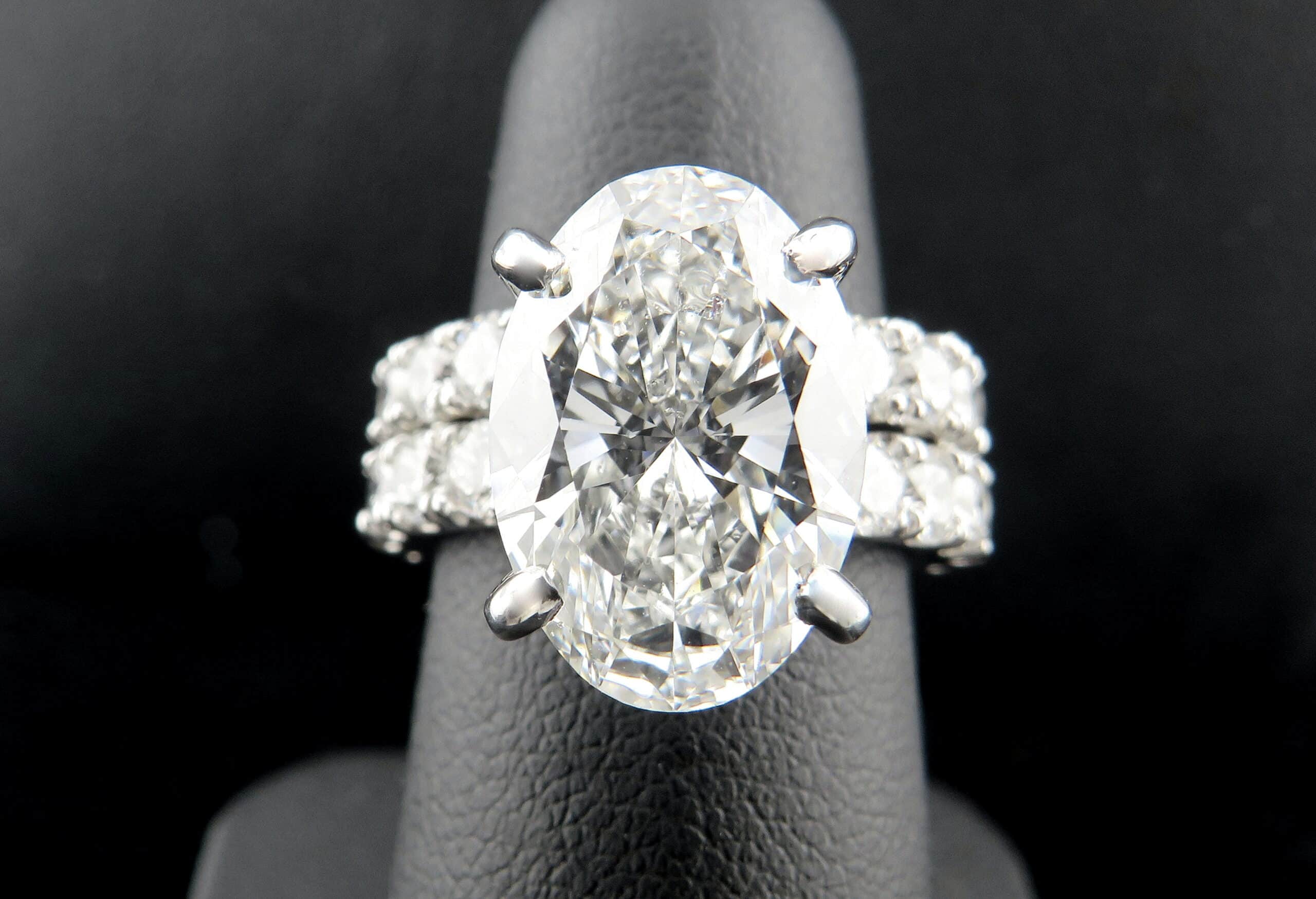
Oval diamonds have become increasingly popular because they combine beautiful brilliance with an elongated shape that appears larger than their actual carat weight.
Why Buyers Love It
The facet pattern is similar to a round brilliant, giving oval diamonds impressive sparkle while offering a more unique appearance.
Advantages
Excellent brilliance
Makes fingers appear longer
Appears larger than a round diamond of the same carat weight
Modern yet timeless
One thing to watch for is the “bow-tie effect,” a dark shadow across the center that can appear in lower-quality cuts.
3. Cushion Cut – Soft Vintage Sparkle
Known for its rounded corners and pillow-like shape, the cushion cut has been a favorite for centuries.
Modern cushion cuts are designed with extra facets that create a lively, romantic sparkle.
Best For
Vintage-inspired engagement rings
Halo settings
Romantic jewelry styles
The sparkle is softer and chunkier compared to the intense brilliance of a round diamond, giving it a distinctive character.
If you love classic jewelry, you may also enjoy our guide on the Vintage Diamond Jewelry Comeback, which explores why timeless designs continue to captivate today’s buyers.
4. Princess Cut – Brilliant with Modern Style
The Princess Cut is the most popular square-shaped diamond for good reason.
Its numerous facets generate exceptional brilliance while offering a sleek, contemporary appearance.
Why It’s Popular
High sparkle
Modern geometric shape
Great value compared to round diamonds
Perfect for solitaire and halo settings
Princess-cut diamonds deliver impressive brilliance without the premium price often associated with round diamonds.
5. Radiant Cut – Brilliant and Bold
The Radiant Cut combines the elegant outline of an emerald cut with the brilliant faceting of a round diamond.
The result is a diamond that offers outstanding sparkle while maintaining clean, angular lines.
Great Choice For
Buyers wanting something unique
Hidden halo settings
Larger center stones
Radiant cuts are also excellent at hiding inclusions thanks to their complex facet arrangement.
6. Pear Cut – Eye-Catching Brilliance
Sometimes called the teardrop shape, pear diamonds combine the sparkle of a round cut with the elegance of a marquise.
Benefits
Brilliant light performance
Creates the illusion of longer fingers
Unique and sophisticated appearance
Like oval diamonds, selecting a well-cut stone helps minimize the bow-tie effect.
7. Marquise Cut – Dramatic and Bright
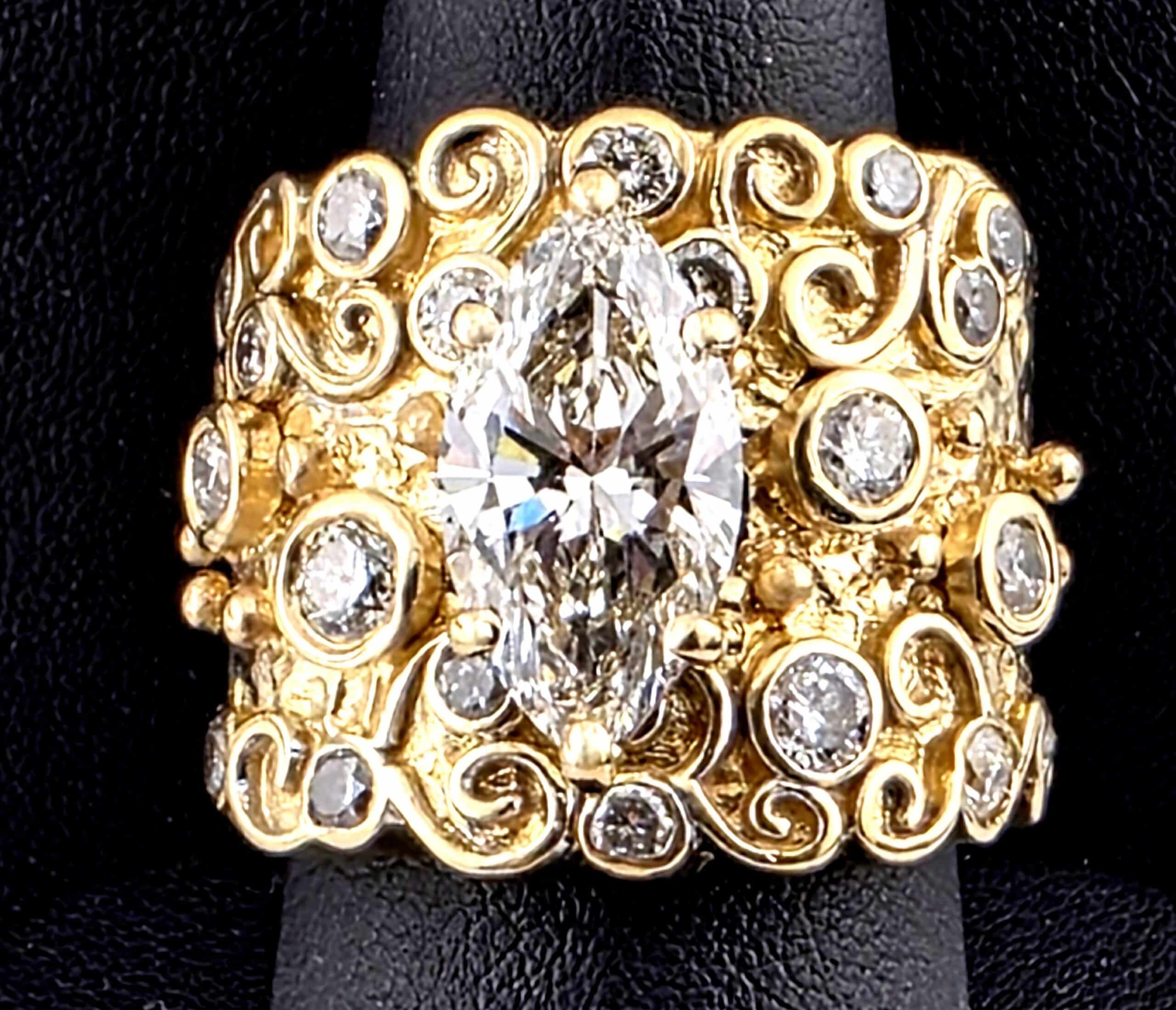
The Marquise Cut features pointed ends and a long, narrow profile that makes the diamond appear larger than many other shapes of the same carat weight.
It offers excellent brilliance while maximizing visual size.
Ideal For
Statement engagement rings
Vintage-inspired designs
Buyers seeking maximum finger coverage
8. Emerald Cut – Understated Elegance
If you’re looking for maximum sparkle, the Emerald Cut may not be your first choice—but it offers something equally beautiful.
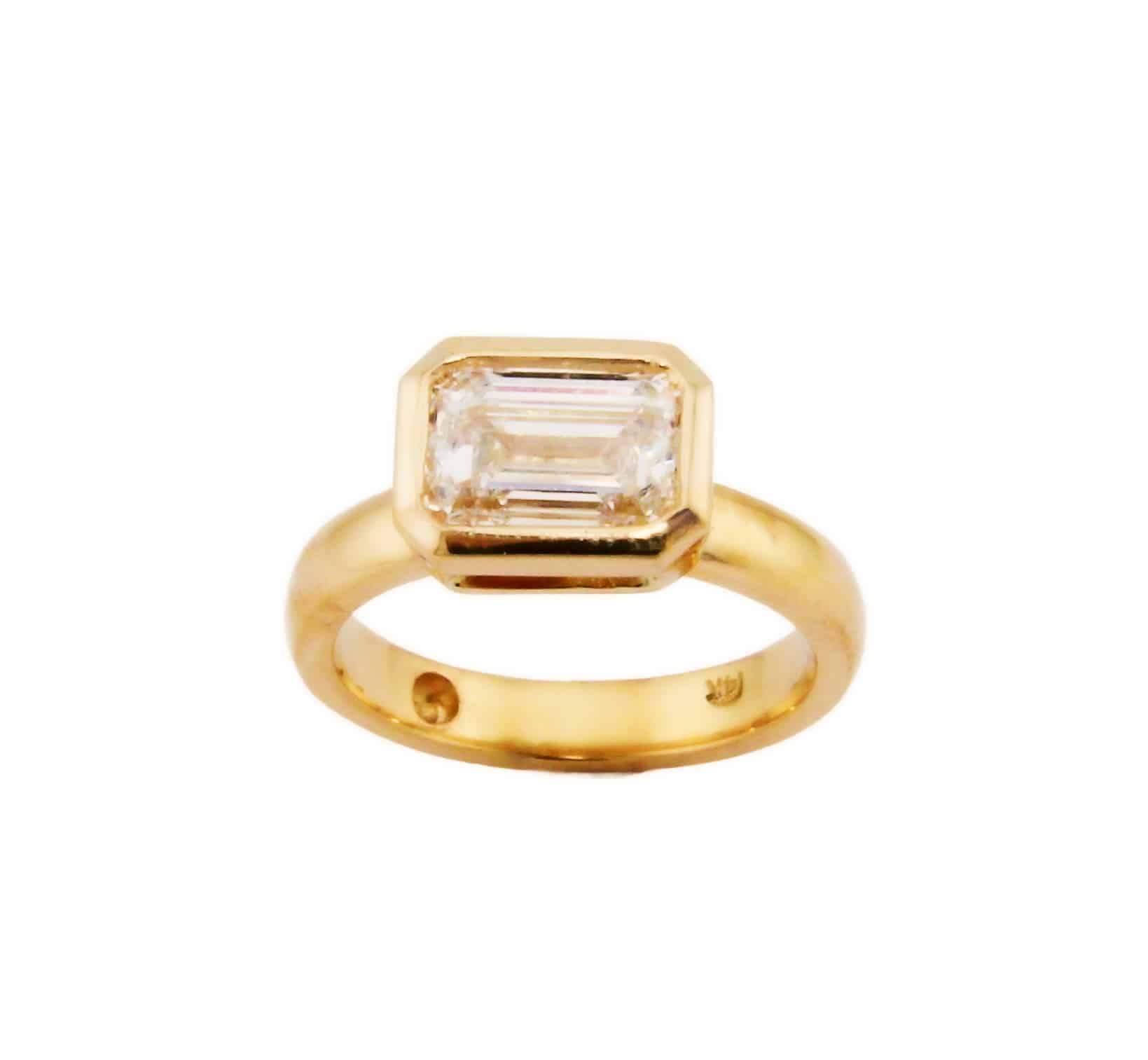
Instead of brilliant sparkle, emerald cuts produce elegant flashes of light known as the “hall of mirrors” effect.
Best For
Sophisticated buyers
Minimalist jewelry
High-clarity diamonds
Because the large open facets reveal more of the stone’s interior, clarity becomes especially important.
9. Asscher Cut – Vintage Sophistication
The Asscher Cut shares many similarities with the emerald cut but features a square shape and a deeper pavilion.
Its sparkle is subtle, featuring dramatic flashes rather than intense brilliance.
Ideal for buyers who appreciate Art Deco-inspired jewelry and timeless elegance.
Does Carat Weight Affect Sparkle?
Many shoppers believe larger diamonds sparkle more, but that’s not always true.
A smaller, expertly cut diamond often appears brighter than a larger stone with poor proportions.
If you’re trying to balance size, appearance, and budget, read our article on Diamond Alignment vs. Carat Weight & Ring Size to better understand how carat weight influences a diamond’s overall look.
Choosing the Right Diamond Shape
The “best” diamond shape depends on your priorities.
Choose a Round Brilliant if you want the absolute highest sparkle.
Choose an Oval or Princess Cut if you want excellent brilliance with a distinctive look.
If vintage elegance appeals to you, a Cushion, Emerald, or Asscher Cut may be the perfect fit.
Sparkle Isn’t Everything
While sparkle is important, other factors like color, clarity, certification, and craftsmanship should also influence your decision.
Every diamond has its own unique beauty, but if brilliance is your top priority, the Round Brilliant Cut remains the undisputed leader in sparkle. Oval, Princess, Radiant, and Cushion cuts also offer exceptional light performance while providing distinctive styles for different tastes.
At Gem Boutique, we help every customer find a diamond that matches their style, budget, and vision. Whether you’re searching for the perfect engagement ring or a timeless piece of fine jewelry, our experienced team is here to guide you every step of the way.
Visit our showroom or contact us today to explore a stunning collection of beautifully cut diamonds designed to shine for a lifetime.
If you have been looking at engagement rings or family heirlooms, you might have noticed that vintage diamond jewelry is really popular now. People in York, PA, are choosing pieces with history and character over mass-produced items.
At Gem Boutique, we see people fall in love with vintage-inspired and antique jewelry every day. Why are people so interested in vintage diamond jewelry all of a sudden? Let us take a look at why vintage diamond jewelry is coming back and why it might be the perfect choice for you.
The Unique Charm of Vintage Diamond Jewelry
One reason people prefer vintage diamond jewelry is its distinctive character. Old pieces were made by hand. You can see the attention to detail.
What Makes Vintage Jewelry Stand Out?
Vintage pieces have craftsmanship that you do not see in mass production.
They offer designs from different eras, including Art Deco, Edwardian, and Victorian.
Each piece is one-of-a-kind, so no two are alike.
The diamonds are hand-cut, which gives them a sparkle.
For people in York and surrounding areas like Lancaster and Harrisburg, this uniqueness is a draw. People want jewelry that tells a story, not something that looks like everyone else.
A Sustainable and Eco-Friendly Choice
Today, buyers are more conscious of sustainability, and vintage diamond jewelry fits perfectly into that mindset.
Choosing vintage means:
No new mining required
Reduced environmental impact
Recycling and preserving existing materials
Instead of contributing to new production, you’re giving a beautiful piece of history a second life. For many customers in York, PA, that’s not just meaningful it’s responsible.
The Appeal of Old-Cut Diamonds
Vintage diamond jewelry often features cut diamonds such as Old Mine Cut or Old European Cut. These diamonds are different from the brilliant cuts you see today.
Why People Love Old-Cut Diamonds
Old-cut diamonds have a sparkle that modern diamonds don’t have.
They are handcrafted, giving each stone its own personality.
The facets are larger, reflecting light subtly.
If you have ever compared a diamond to a modern one, you can see the difference. Many Gem Boutique clients in York prefer the glow of vintage diamonds; they feel more authentic.
Vintage Style Meets Modern Custom Design
Not everyone wants an antique piece, and that is okay. One trend we see is vintage-inspired custom jewelry.
This approach allows you to enjoy the beauty of vintage design while ensuring durability and customization for modern lifestyles.
Emotional Value and Storytelling
Jewelry is personal, and vintage pieces often carry a sense of history that new items cannot replicate.
Whether it’s:
A ring passed down through generations
A piece discovered in an estate collection
A custom design inspired by a specific era
Vintage jewelry connects you to something bigger. People in York often tell us they want pieces that feel meaningful, not just beautiful.
Better Value for Your Investment
Another reason vintage diamond jewelry is popular is that it offers value. In cases, vintage pieces have exceptional quality at a more accessible price point.
Why Vintage Can Be a Smart Choice
Higher craftsmanship than many modern equivalents
Unique designs without custom design costs
Potential long-term value retention
Of course, it is essential to work with a trusted local jeweler to ensure authenticity and quality, which we prioritize at Gem Boutique.
Perfect for Engagement Rings
Vintage diamond rings are especially popular for engagements now. Couples in York, PA, are choosing rings that feel more personal and timeless than trendy.
Popular Vintage Engagement Styles
Art Deco geometric designs are popular.
Filigree and milgrain detailing are also popular.
Halo settings with flair are trendy.
Colored gemstone accents, such as sapphires or emeralds, are beautiful.
These styles offer an alternative to the classic solitaire, and they stand out beautifully.
Tips for Buying Vintage Diamond Jewelry
If you are considering a piece, here are a few important tips to keep in mind:
Work with a Trusted Local Jeweler
A knowledgeable jeweler can verify authenticity, assess condition, and guide you toward the piece.
Check the Condition
Vintage doesn’t mean worn out; it simply means the piece may need inspection or restoration.
Understand the Era
Different periods have different styles and craftsmanship techniques. Knowing what you love helps narrow your search.
Consider Custom Options
If you love vintage style but want something new, a custom design is a fantastic option.
Why York, PA Loves Vintage Jewelry
There is something about York’s charm, its history, its architecture, its sense of community that pairs with vintage jewelry.
Many local customers appreciate the heritage. Storytelling behind antique pieces.
The heritage and storytelling behind antique pieces
The artistic craftsmanship of earlier eras
The chance to own something truly unique and meaningful
At Gem Boutique, we have become a trusted destination for those looking to explore vintage and vintage-inspired jewelry in the York area.
Conclusion
Vintage diamond jewelry is not a passing trend; it is a meaningful shift toward individuality, sustainability, and timeless beauty. Whether you are drawn to the craftsmanship, the history, or the distinctive sparkle of cut diamonds, there is no denying the lasting appeal of these pieces.
From engagement rings to heirloom redesigns, vintage styles offer a distinctive appeal that modern jewelry often cannot replicate.
Visit Gem Boutique in York, PA
If you are ready to explore diamond jewelry or create a custom piece inspired by timeless design, we invite you to visit Gem Boutique in York, PA. Our team is here to guide you through every step, whether you are searching for the engagement ring, redesigning a family heirloom, or simply discovering what makes vintage jewelry so special.
You can stop by our store. Contact Gem Boutique today to experience expert craftsmanship, personalized service, and a jewelry selection that is anything but ordinary.
Diamonds have long been prized for their brilliance and rarity, but colored diamonds take this allure to another level. While traditional white diamonds are known for their purity, colored diamonds come in an array of stunning hues, from deep blues to radiant pinks. In this guide, we’ll explore the world of colored diamonds, their origins, value, and what makes them truly special.
Understanding Diamond Colors
Colored diamonds develop when there is some element or structural imperfection in their course of formation as natural diamonds. While white diamonds are evaluated against their absence of color, fancy colored diamonds are appreciated for how deep and how rich the colors are.
How Do Diamonds Get Their Color?
Incorporation of specific elements or a modification in atomic composition during diamond formation causes them to be different shades:
Yellow and Orange Diamonds: Because of a trace of nitrogen.
Blue Diamonds: Were the result of the existence of boron.
Pink and Red Diamonds: Were the result of changing the atomic configuration of the diamond due to high pressure.
Green Diamonds: Were the result of natural radiation exposure.
Black Diamonds: Have many inclusions of minerals or graphite.
Popular Colored Diamonds
There are some color diamonds that occur more often, but there are a few which are extremely rare and costly. Let’s have a closer view at some of the most precious ones:
Fancy Yellow Diamonds
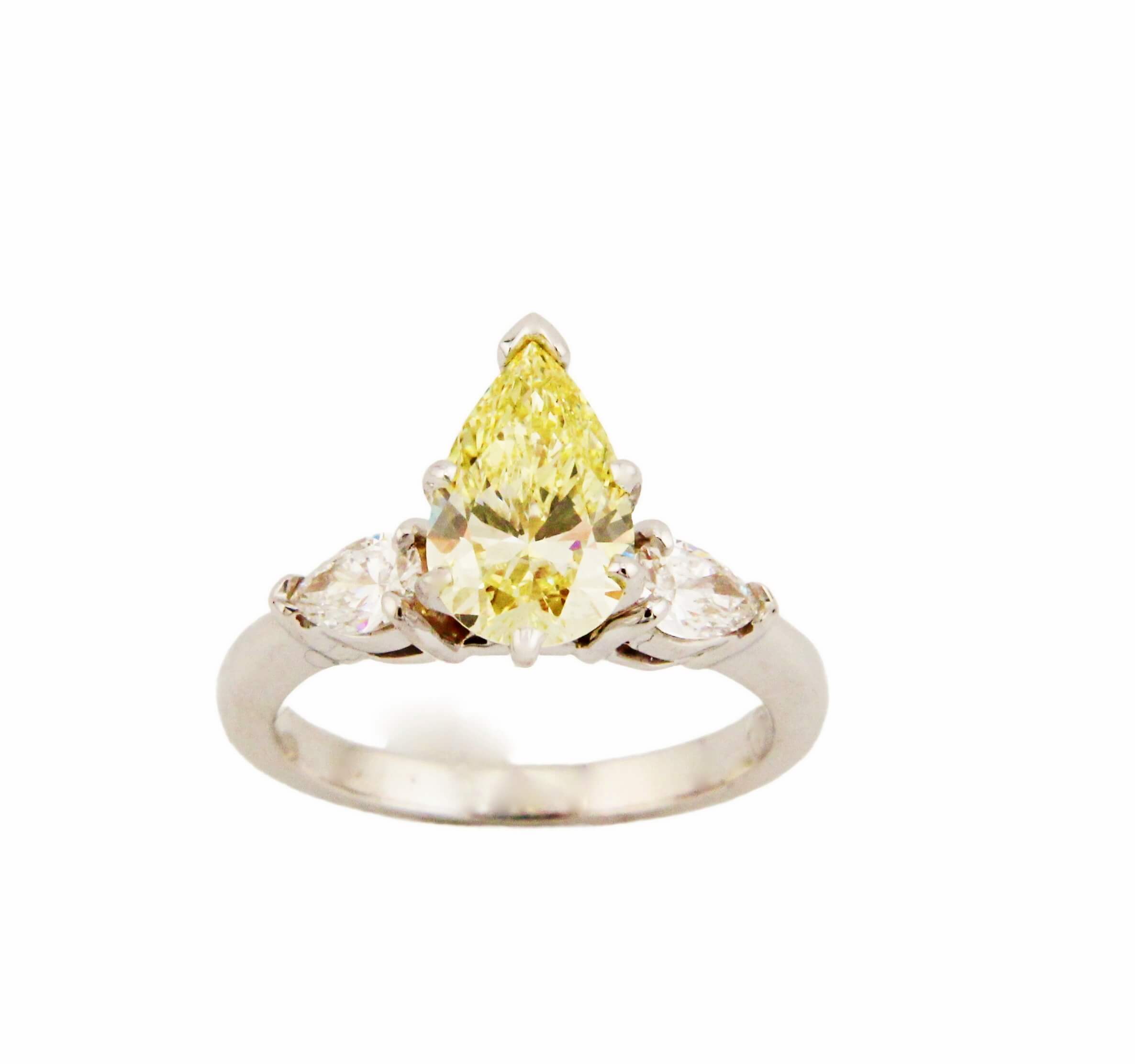
Some of the most coveted and cheapest colour diamonds are fancy yellow diamonds. Their intense color is due to nitrogen inclusions that cause blue light absorption and thus yellowish hues. The yellowness of the diamond, the greater it will be.
Blue Diamonds
Blue diamonds, including the fabled Hope Diamond, owe their bright color to boron atoms in the crystal lattice. Such rare and precious stones are commanding record prices for saturated blues of rich color.
Pink Diamonds
Pink diamonds are probably the most rare and precious colored diamonds. While all the others obtain their color according to impurities, pink diamonds obtain their color due to a defect in their crystal lattice. Prior to the Argyle Mine in Australia closing down, the major source of pink diamonds, their rarity and value have since gone stratospheric.
Green Diamonds
These diamonds acquire their green color due to natural radiation over millions of years. Pure green diamonds that are equally saturated are not very common, however.
Red Diamonds
The rarest of all the fancy-colored diamonds are the red diamonds. They acquire their deep red color due to exceptional atomic distortions. One of the most well-known ones is the Moussaieff Red Diamond, a 5.11-carat red diamond.
Black Diamonds
Sometimes referred to as carbonado diamonds, black diamonds have high levels of graphite within them, which makes them dark, heavy, and impenetrable. Black diamonds are not typically cut to the standard shape as other fancy-colored diamonds.
Factors That Affect Colored Diamond Value
Unlike white diamonds, colored diamonds are graded according to a range of factors. The most important factors towards their value are:
Color Intensity: The most important feature is the color intensity. The deeper and darker the color, the costlier the diamond.
Carat Weight: Deep and heavy colored diamonds are highly rare and costly.
Cut: Diamond cut might affect the performance of light as far as color is concerned.
Clarity: For colored diamonds, as with white diamonds, clarity is not exactly a matter because inclusions are not necessarily apparent.
History’s Colored Diamonds
Some colored diamonds in history have attained a legendary status.
The Hope Diamond (Blue): A blue diamond weighing 45.52 carats that’s famous for its chequered past and bad luck legend.
The Pink Star Diamond (Pink): A 59.60-carat flawless pink diamond that shattered auction records.
The Dresden Green Diamond (Green): It is the largest and most renowned green diamond weighing 41 carats.
Investing in Colored Diamonds
With their rarity and increasing demand, colored diamond necklaces make an attractive investment. Here are some key tips for potential investors:
Research the Market: Colored diamonds fluctuate in value, so staying informed about market trends is crucial.
Buy Certified Diamonds: Always ensure your diamond is GIA-certified to confirm its authenticity and grading.
Consider Rarity Over Size: A smaller diamond with intense color is often more valuable than a larger diamond with a faint hue.
Caring for Colored Diamonds
To maintain their beauty and brilliance, colored diamonds require proper care:
Cleaning: Use a soft brush and mild soapy water to clean your diamond regularly.
Storage: Store them separately from other jewelry to prevent scratches.
Professional Maintenance: Have them inspected by a professional jeweler periodically.
Conclusion
Colored diamonds are nature’s masterpieces, offering a unique and captivating alternative to traditional white diamonds. Whether you’re considering one for investment, an engagement diamond ring, or simply for its beauty, understanding their rarity and characteristics will help you make an informed choice. With proper care, a colored diamond can be a breathtaking piece to cherish for generations to come. Visit Gem Boutique to explore a stunning collection of exquisite colored diamonds and find the perfect piece for your collection.
Diamonds have been looked at for several centuries as a symbol of beauty, rarity, and value. Evolution of diamonds: Precious more than stones From their genesis inside the core of the Earth and their uses in modern society including ornaments. There exists a story of history, love, and timeless elegance associated with a waltz.
The Fascinating History of Diamonds
Diamonds have a history dating over 2,000 years, since they were discovered in ancient India. In those days, the brilliance of stones was very high, and they were thought to possess magic that would keep evil at bay. Diamonds used to be worn by people as they were found because they looked like talismans or had divine power inside them.
In the Middle Ages, when diamonds traveled along trade routes to Europe, they were considered the ultimate symbol of wealth and prestige. They were used by kings and nobles to decorate their crowns and ceremonial jewelry, representing power and prosperity.
Diamonds in Jewelry Through the Ages
Diamonds became a norm in jewelry during the Renaissance. With the invention of diamond cutting, jewelers could enhance a diamond’s natural brilliance, thus making it a centerpiece for luxurious adornments.
It began with the use of diamonds in jewelry in the late 15th century by Archduke Maximilian of Austria giving the first recorded diamond engagement ring to Mary of Burgundy, and the action set in a trend for eternity that made diamond rings a global icon of love and commitment.
It was in the Victorian era when diamonds were often paired with other gemstones in intricate designs, reflecting a romantic style that continues to inspire modern jewelry.
The Rise of Diamond Jewelry in the Modern Era
The discovery of diamonds in South Africa was a revelation during the 19th century. With abundant diamonds available, they are now within the reach of many. It was during this time that diamond marketing campaigns that related diamonds with emotions and milestones were invented.
The phrase, “A diamond is forever,” coined by De Beers in 1947, set diamonds as the ultimate expression of eternal love. No wonder diamond rings became the most popular engagement ring globally.
Diamond jewelry is not only for engagements today. Necklaces and earrings, bracelets, and even accessories for everyday wear are now made with diamonds, signifying elegance and class.
Why Diamonds Continue to Shine Bright
Diamonds hold deep cultural and personal significance. They are more than beautiful gemstones – they are symbols of lasting memories and cherished moments.
A Symbol of Love: Diamond rings have become a timeless tradition for engagements and weddings, symbolizing eternal bonds.
Status and Elegance: Wearing diamond jewelry has long been associated with class, sophistication, and success.
A Connection to History: Heirloom diamond jewelry pieces carry stories from one generation to the next, making them priceless treasures.
In today’s world, diamonds are also celebrated for their versatility. Whether you choose traditional mined diamonds or modern lab-grown options, they continue to captivate with their unmatched brilliance.
The history of diamonds shows their incredible journey from ancient India to modern jewelry collections. Diamonds in jewelry, from elegant necklaces to radiant earrings or iconic diamond rings, really do hold a special place in our hearts and traditions.
At GEM Boutique, we celebrate the timeless beauty and significance of diamond jewelry. We believe that whether you’re seeking a classic piece or something uniquely personal, we’re here to help you find a diamond that tells your story. Come and explore our collection, and discover why diamonds are the ultimate symbol of love and elegance.
All diamonds have been accepted for their beauty, for their rarity, and for their strength. Even if lab-grown diamonds are gaining popularity in the markets lately as an alternative and sustainable approach, many still believe that natural diamonds make for a better choice. Let us cut across the aisles and examine why natural diamonds have a distinctly superior advantage over lab-grown diamonds for various reasons.
Understanding Natural vs. Lab-created Diamonds
Natural diamonds take millions of years to be made deep down in the Earth under terrific heat and pressure. But lab-diamonds are mimicked in a lab relative to such conditions with a much faster production time. They are chemically the same, but they have differences in several key areas, which is why many people still prefer natural diamonds. In fact, learning how natural and lab created diamonds differ explains, to a great extent, why most people still prefer the former.
The Formation Process: Natural vs. Lab-created
How Natural Diamonds Are Formed
Natural diamonds are produced through geological processes, ultimately taking millions of years. Deep inside the Earth’s crust, pressure and heat conditions are extreme to make carbon atoms crystallize into diamonds. Such slow processes make each diamond unique and highly elegant. In sharp contrast, lab diamonds form within a time span that could be as short as weeks or months, while naturally, this takes millions of years.
The Technology Behind Lab-created Diamonds
There are actually two ways that lab diamonds are made: either High Pressure High Temperature (HPHT) or Chemical Vapor Deposition (CVD). These are conditions mimicking natural origins, but only take a few weeks to form a diamond- whereas it can take tens of millions of years for it to be naturally created. That itself makes it expensive and lowers the perceived value in regard to real diamonds.
Rarity and Value
Why Rarity Makes Natural Diamonds Priceless
The natural diamond is valued due to its rarity. Natural diamonds are only produced after millions of years. Their supply is very minimal because the period taken to produce natural diamonds is so long, making it hold more value. Rarity adds to the price of a product, and therefore is the most expensive in the jewelry market. Evidently, the difference falls on when the natural and lab-grown diamonds differ on this aspect. No natural diamond can be replaced by any other.
Are Lab-created Diamonds Less Valuable?
Although the lab-made diamond has the same composition as its natural cousins, they fetch a lower price primarily because they are not scarce. Thus, more pieces can be produced to facilitate the market. Such abundance reduces their value but increases their affordability. Often, they don’t attract as heavy a price as natural diamonds.
Aesthetic Differences
Visual Qualities of Natural Diamonds
This makes natural diamonds unique because nobody is alike. A natural diamond takes millions of years to form. During the process, minute imperfections, known as inclusions, make every diamond characteristic. Sometimes, these inclusions even help make it more brilliant and sparkling for beauty in the eyes of many buyers.
Comparing the Appearance of Lab-created Diamonds
Lab-grown diamonds are often flawless at sight, which may be seen as a drawback since they don’t have the inclusions that make a natural diamond special. They are, however, brilliant and very beautiful. For many buyers, such imperfections in natural diamonds make them unique. This debate takes the issue of lab diamonds vs real diamonds with respect to appearance.
Environmental Impact
The Sustainability Debate: Natural Diamonds
The environmental impact of diamond mining has been a subject of debate for years. While it is true that mining can cause significant environmental damage, many diamond mines now follow strict regulations and employ more sustainable practices to reduce their footprint. Natural diamonds can be responsibly sourced, and efforts to minimize their environmental impact are increasing.
Lab-created Diamonds and Their Environmental Footprint
Lab-created diamonds are often considered more eco-friendly because they don’t require mining. However, the energy required to create diamonds in a lab can be substantial, particularly when the energy used is not sourced from renewable resources. So, while lab-created diamonds may seem like the greener option, their environmental impact largely depends on how they are produced.
Durability and Longevity
How Natural Diamonds Stand the Test of Time
Diamonds are known for their exceptional durability, ranking as the hardest natural material on Earth. Natural diamonds have stood the test of time, enduring for billions of years. Their strength ensures they can withstand everyday wear and remain beautiful for generations.
Are Lab-created Diamonds Less Durable?
Lab-created diamonds share the same hardness and durability as natural diamonds because they have the same chemical composition. They are just as resistant to scratches and damage. However, the long history of natural diamonds, and the idea that they have lasted billions of years, gives them a certain level of timelessness that lab-created diamonds can’t quite match.
Cultural and Emotional Value
The Timeless Symbolism of Natural Diamonds
Natural diamonds carry a deep cultural and emotional significance. They have been used for centuries to symbolize love, commitment, and enduring beauty, especially in engagement rings. The rarity and uniqueness of natural diamonds make them a cherished possession, often passed down through generations. For many, this emotional connection is something that lab-created diamonds struggle to replicate.
Emotional Significance of Lab-created Diamonds
Lab-created diamonds are still beautiful and meaningful, but they may not evoke the same level of emotion or cultural significance as natural diamonds. Some people may feel that because lab-created diamonds are man-made, they lack the deeper connection and symbolic weight that comes with a natural diamond.
Price Considerations
Why Natural Diamonds Are More Expensive
The price of natural diamonds is influenced by factors such as rarity, size, color, and clarity. Since natural diamonds are much rarer than lab-created diamonds, they come with a higher price tag. The process of mining, cutting, and certifying natural diamonds also adds to the overall cost. Many people find that the higher cost of natural diamonds is justified by their unique qualities.
Is the Price Difference Worth It?
Although lab-created diamonds are less expensive, many people are willing to pay the premium for a natural diamond. The higher price reflects the rarity, history, and value of a natural diamond, making it a worthwhile investment for many buyers. For others, the lower price of a lab-created diamond makes it a more practical choice, leading them to ask, which is better: lab or natural diamond?
Investment Potential
The Investment Value of Natural Diamonds
Natural diamonds are often seen as a long-term investment. Their rarity, beauty, and historical value mean that they can appreciate over time. As a result, natural diamonds are considered a stable asset that can hold or even increase in value over the years.
Will Lab-created Diamonds Hold Their Value?
Lab-created diamonds, however, do not have the same investment potential as natural diamonds. Because they are more abundant and less rare, they are unlikely to increase in value over time. For many buyers, the investment value of a natural diamond is a major reason why they choose it over a lab-created one.
Conclusion
While lab-created diamonds are a more affordable and environmentally friendly option, natural diamonds still hold a distinct advantage in several important areas. Their rarity, emotional value, cultural significance, and long-term investment potential make them a timeless choice. Whether for an engagement ring, heirloom piece, or investment, natural diamonds continue to be regarded as the superior option for many buyers. The lab or natural diamond debate ultimately comes down to personal preference, but for many, natural diamonds will always be the better choice.
In the end, both natural and lab-created diamonds have their place in the market. However, for those who value history, rarity, and emotional significance, natural diamonds will always hold a special allure that lab-created diamonds simply can’t match.
At GEM Boutique, we understand and celebrate the unique qualities of both natural and lab-created diamonds, offering a selection to meet the diverse tastes and values of our customers.