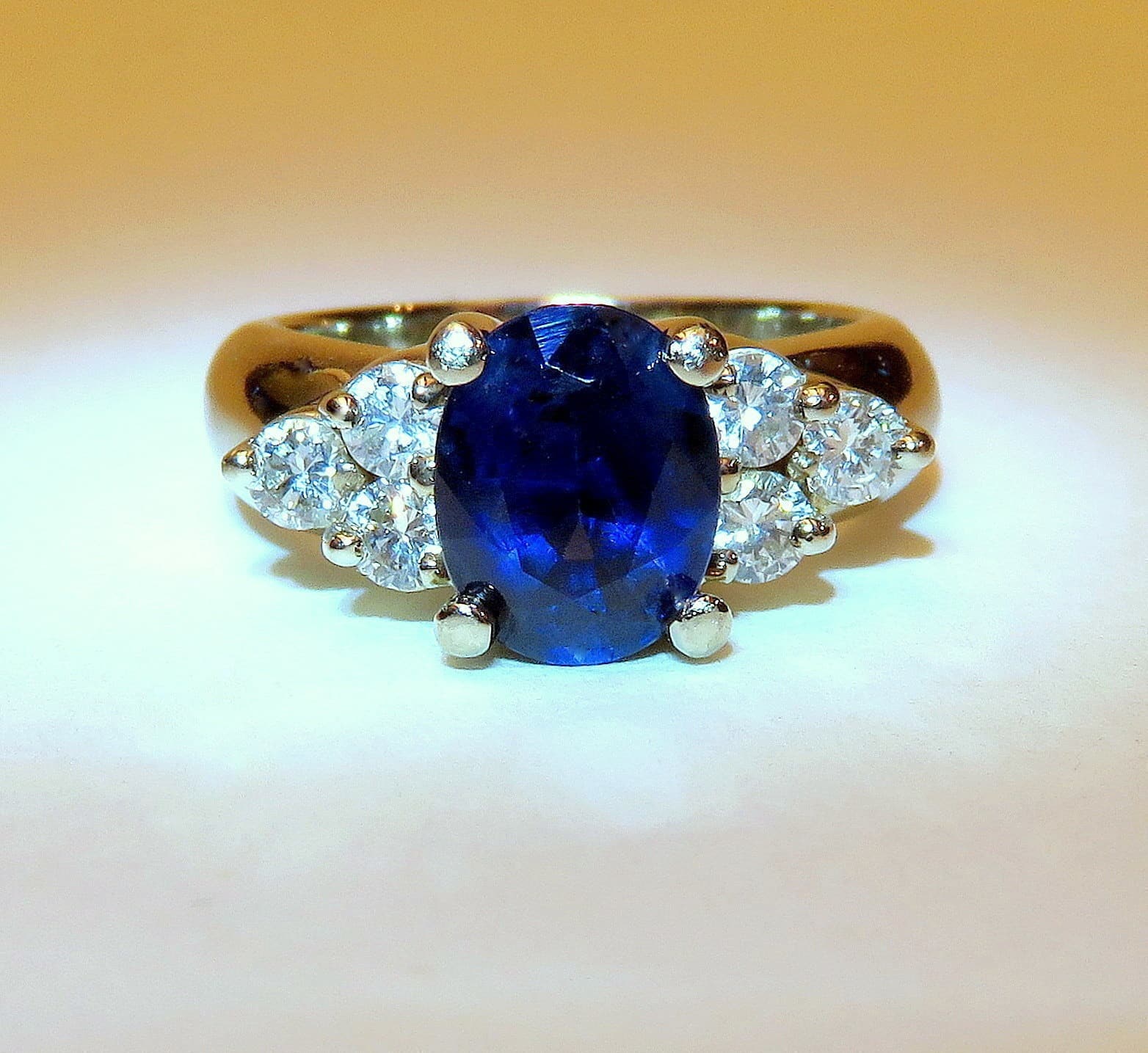
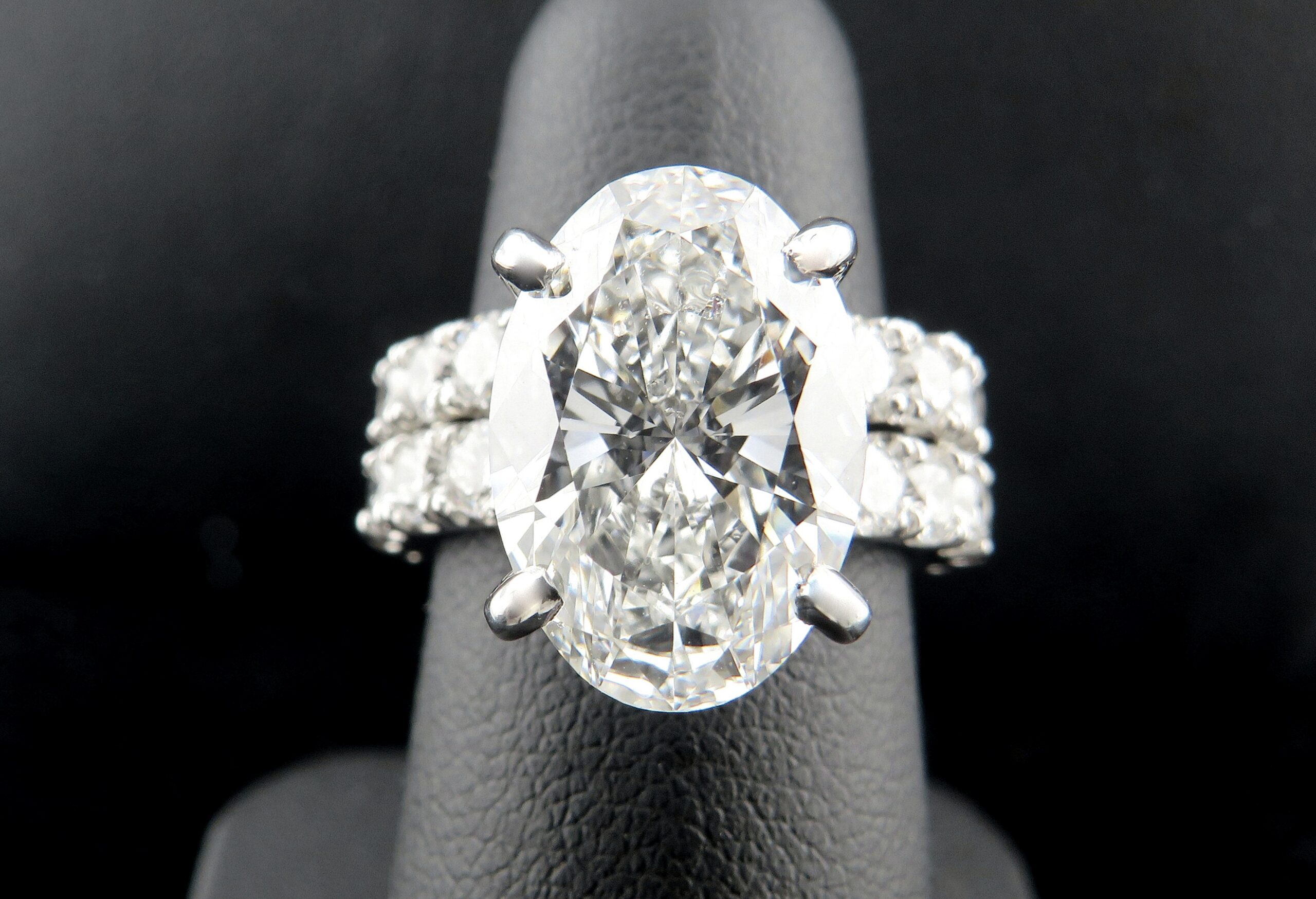
Jewelry can hold far more than monetary value. An engagement ring may represent a major milestone, while a family heirloom can carry decades of memories and sentimental meaning. Because jewelry is often valuable, small, and vulnerable to loss or damage, protecting it with the right insurance coverage can be an important part of responsible ownership.
But how does jewelry insurance work, what does it actually cover, and is it worth the cost? Before choosing a policy, it helps to understand how jewelry is valued, what situations may be covered, and what information an insurer may require. Whether you own an engagement ring, diamond earrings, a valuable necklace, or an inherited piece, knowing what to expect can help you make a more informed decision.

What Is Jewelry Insurance?
Insurance coverage protects the possessions against losses can include coverage for personal property such as expensive jewelry against covered causes. These losses may occur as a result of burglary, theft, accidental loss, damage to the item or another event covered by the policy terms.
Although the coverage against loss of jewelry under a home owner’s policy might have value and incident limitations, Jewelry may also be included under a supplementary scheduled personal property policy that covers jewelries and personal property along with homeowners and renters’ coverage.
The thing to understand is not every jewelry insurance policy will cover everything. Limits for coverage, amounts for deductibles, items excluded in jewelry policy, process for claiming the loss, etc will all vary, so you need to check the policy before buying insurance policy on your jewelry to the highest coverage of limits and not the incident limit for incident Jewelry lost.
Why Consider Insuring Your Jewelry?
One of the most important reasons for insured jewelry is the replacement cost of valuable jewelry items. An accidental loss of a diamond ring, a stolen antique gold necklace, can put considerable financial strain on even a stable and comfortable lifestyle, should the replacement value of the article be extensive.
If the circumstances permit, there will also be financial relief against unforeseen loss provided for through the policy; above all, there is likely greater relief during, perhaps, travel, regular wearing, or storage outside the home.
For sentimental pieces, insurance for jewelry cannot replace the memories attached to the original item. However, appropriate coverage can help reduce the financial impact if the jewelry is lost, stolen, or damaged.
What Does Jewelry Insurance Usually Cover?
Although terms and conditions may vary between each insurer and policy, various types of accidents and emergencies can potentially be insured under jewelry insurance. Apart from robbery and stealing of jewelry, the insurance could potentially cover the damaged and accidental loss.
The coverage could potentially apply to the situation where a person had stolen and or, a part of a jewelry is badly damaged from accidental cause and potentially, the loss of expensive items during the accident. Though, assumption can be risky if you have not read the clause specified by the insurance policy.
Coverage can also differ depending on whether the jewelry is damaged beyond repair or can be restored. Some insurers may arrange repairs or replacement, while others may provide a payment based on the policy terms.
What Isn’t Covered by Jewelry Insurance?
Most insurance policies will state exclusions to the cover provided and these can be just as critical as what is actually covered. Exclusions are circumstances that will void cover on the policy such as types of damage; negligence; fair wear and tear; faulty manufacture; specified situations or areas.
For instance daily wear and tear is normally different to accidental damage which usually means sudden unexpected damage to a structure; e.g., scratch to a metal surface due to years of wear and tear and not to a covered incident.
Before purchasing jewelry insurance, review the exclusions carefully. Understanding these limitations beforehand can prevent unpleasant surprises if you ever need to make a claim.
Why a Jewelry Appraisal Matters
Accurate appraisal on a fine jewelry piece can be a significant part when seeking insurance on the jewelry. The appraisal record can contain information of the jewelry, including information that can define the value of the jewelry. For a better understanding of the benefits of professional valuation, learn why jewelry appraisal is important before insuring a valuable piece.
For a diamond ring, appraisal can contain the traits of the diamond and details about the metal, setting, and any craftsmanship and identifiers that may be apparent in the ring. This can help an insurer understand what is insured.
An appraisal is also useful for the jewelry owner. Without an up-to-date valuation, it can be difficult to know whether an insurance policy provides enough protection for the piece’s current replacement value.
How Much Does Jewelry Insurance Cost?
One of the most common questions jewelry owners have is how much jewelry insurance costs. There isn’t one universal price because premiums can depend on several factors, including the value of the jewelry, the type of coverage selected, the deductible, and the insurer’s assessment of risk.
An item of higher value will probably need to be covered for a greater amount than a lower value item. The kind of cover you choose may affect the premium in the same way.
Instead of a policy where you only look at the lowest premium, try and compare what cover the premium gives you. It could be that the very cheap policy gives low exclusions whereas you’ll get more cover for not much more money by choosing a second slightly higher premium policy.
What Information May You Need to Insure Jewelry?
An insurer may request documentation that establishes ownership and value. Depending on the policy and the value of the jewelry, this could include a purchase receipt, professional jewelry appraisal, photographs, gemstone documentation, or other identifying information.
Recordkeeping is wise whether you plan to insure your jewelry now or later. Detailed records will help prove you own a piece and can support identification and description.
For valuable pieces, take photos from all sides and secure copies of applicable documents in a safe place.
How to Choose the Right Jewelry Insurance
When it comes to jewelry insurance, it goes further than just checking the price. The first step in choosing a policy is assessing the value of the items and deciding how you will wear, care and transport them.
Read each policy you find carefully. Examine the insurance as far as to extent coverage includes lost, stolen, accidentally broken items, repair costs, terms for replacement, deductibles or policies, policy limits and things the policy does not cover. When you travel with jewelry often, or even wear jewelry outside the home then it must be a policy that handles all of this.
It is also worth asking how the insurer handles claims. Find out whether you can choose your own jeweler for repairs or replacement, how valuations are determined, and whether the policy pays the full replacement cost or uses another method.
Keep Your Jewelry Appraisal Up to Date
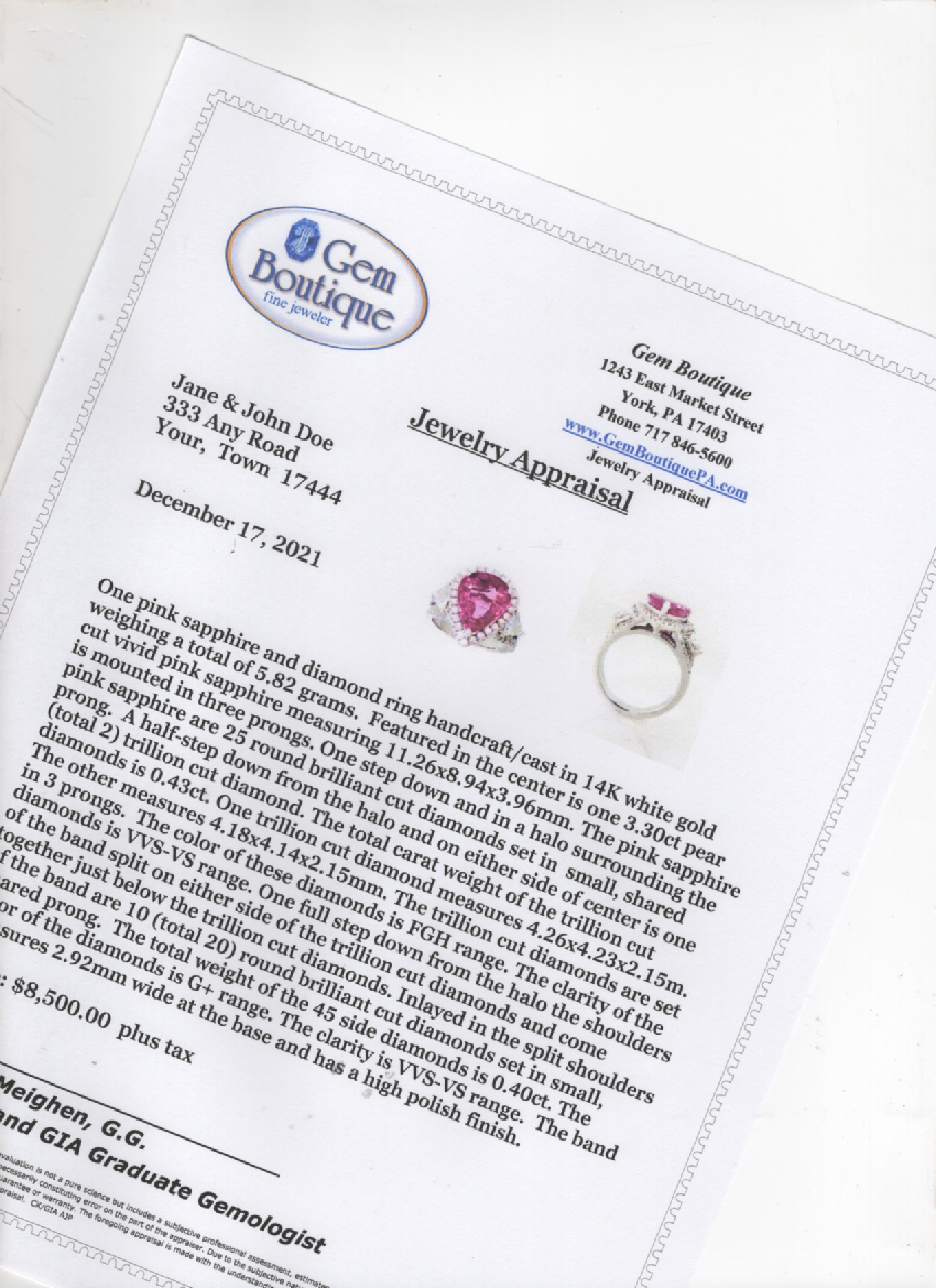
Jewelry values can fluctuate through the years due to changing values of precious metals, stones, fabrication methods and replacement costs of materials. An appraisal that accurately captured the value of an item at the time that it was done may not reflect the replacement value of the jewelry now.
By periodically examining your jewelry policy and reappraising items when needed, you can remain comfortable that your insurance reflects the full value of your pieces. At Gem Boutique PA, we can help you understand the characteristics and value of your jewelry through professional appraisal services, giving you useful documentation to consider when reviewing your insurance coverage.
This is particularly important for high-value engagement rings, heirloom jewelry, custom pieces, and collections that may have changed in value since they were originally purchased or appraised.
Is Jewelry Insurance Worth It?
Whether a jewelry owner needs a specialization may depend on the price of the item and how much it would set them back financially to replace it. A cheap and cheerful piece may not warrant specialized cover, whereas a more expensive diamond engagement ring, diamond necklace, heirloom, or custom jewelry may need extra cover more.
Another factor in your decision may be emotional value. Even if your insurer is willing to provide monetary cover, you may wish to keep your existing piece if it carries sentiment that cannot be replaced.
Understanding your jewelry’s value is also useful if you ever decide to sell or upgrade a piece. Learning how to maximize jewelry resale value can help you make informed decisions about maintaining, documenting, and caring for valuable jewelry over time.
The goal of jewelry insurance isn’t simply to protect an expensive object. It is about reducing the financial risk associated with owning something that may be valuable, portable, and difficult to replace.
Conclusion
Jewelry insurance can provide valuable financial protection, but choosing the right coverage requires more than simply purchasing a policy. Understanding what is covered, reviewing exclusions, keeping an accurate jewelry appraisal for insurance, and maintaining proper documentation can help ensure your valuable pieces are adequately protected. Whether it is an engagement ring, heirloom, or custom jewelry, taking the time to evaluate your coverage now can help you feel more prepared for unexpected loss, theft, or damage.
Ultimately, the best jewelry insurance is coverage that reflects the true value of your pieces and fits the way you wear and care for them. With proper valuation, regular maintenance, and the right protection in place, you can enjoy your jewelry with greater confidence while safeguarding the investment and memories associated with each piece.