Jewelry can hold far more than monetary value. An engagement ring may represent a major milestone, while a family heirloom can carry decades of memories and sentimental meaning. Because jewelry is often valuable, small, and vulnerable to loss or damage, protecting it with the right insurance coverage can be an important part of responsible ownership.
But how does jewelry insurance work, what does it actually cover, and is it worth the cost? Before choosing a policy, it helps to understand how jewelry is valued, what situations may be covered, and what information an insurer may require. Whether you own an engagement ring, diamond earrings, a valuable necklace, or an inherited piece, knowing what to expect can help you make a more informed decision.
What Is Jewelry Insurance?
Insurance coverage protects the possessions against losses can include coverage for personal property such as expensive jewelry against covered causes. These losses may occur as a result of burglary, theft, accidental loss, damage to the item or another event covered by the policy terms.
Although the coverage against loss of jewelry under a home owner’s policy might have value and incident limitations, Jewelry may also be included under a supplementary scheduled personal property policy that covers jewelries and personal property along with homeowners and renters’ coverage.
The thing to understand is not every jewelry insurance policy will cover everything. Limits for coverage, amounts for deductibles, items excluded in jewelry policy, process for claiming the loss, etc will all vary, so you need to check the policy before buying insurance policy on your jewelry to the highest coverage of limits and not the incident limit for incident Jewelry lost.
Why Consider Insuring Your Jewelry?
One of the most important reasons for insured jewelry is the replacement cost of valuable jewelry items. An accidental loss of a diamond ring, a stolen antique gold necklace, can put considerable financial strain on even a stable and comfortable lifestyle, should the replacement value of the article be extensive.
If the circumstances permit, there will also be financial relief against unforeseen loss provided for through the policy; above all, there is likely greater relief during, perhaps, travel, regular wearing, or storage outside the home.
For sentimental pieces, insurance for jewelry cannot replace the memories attached to the original item. However, appropriate coverage can help reduce the financial impact if the jewelry is lost, stolen, or damaged.
What Does Jewelry Insurance Usually Cover?
Although terms and conditions may vary between each insurer and policy, various types of accidents and emergencies can potentially be insured under jewelry insurance. Apart from robbery and stealing of jewelry, the insurance could potentially cover the damaged and accidental loss.
The coverage could potentially apply to the situation where a person had stolen and or, a part of a jewelry is badly damaged from accidental cause and potentially, the loss of expensive items during the accident. Though, assumption can be risky if you have not read the clause specified by the insurance policy.
Coverage can also differ depending on whether the jewelry is damaged beyond repair or can be restored. Some insurers may arrange repairs or replacement, while others may provide a payment based on the policy terms.
What Isn’t Covered by Jewelry Insurance?
Most insurance policies will state exclusions to the cover provided and these can be just as critical as what is actually covered. Exclusions are circumstances that will void cover on the policy such as types of damage; negligence; fair wear and tear; faulty manufacture; specified situations or areas.
For instance daily wear and tear is normally different to accidental damage which usually means sudden unexpected damage to a structure; e.g., scratch to a metal surface due to years of wear and tear and not to a covered incident.
Before purchasing jewelry insurance, review the exclusions carefully. Understanding these limitations beforehand can prevent unpleasant surprises if you ever need to make a claim.
Why a Jewelry Appraisal Matters
Accurate appraisal on a fine jewelry piece can be a significant part when seeking insurance on the jewelry. The appraisal record can contain information of the jewelry, including information that can define the value of the jewelry. For a better understanding of the benefits of professional valuation, learnwhy jewelry appraisal is important before insuring a valuable piece.
For a diamond ring, appraisal can contain the traits of the diamond and details about the metal, setting, and any craftsmanship and identifiers that may be apparent in the ring. This can help an insurer understand what is insured.
An appraisal is also useful for the jewelry owner. Without an up-to-date valuation, it can be difficult to know whether an insurance policy provides enough protection for the piece’s current replacement value.
How Much Does Jewelry Insurance Cost?
One of the most common questions jewelry owners have is how much jewelry insurance costs. There isn’t one universal price because premiums can depend on several factors, including the value of the jewelry, the type of coverage selected, the deductible, and the insurer’s assessment of risk.
An item of higher value will probably need to be covered for a greater amount than a lower value item. The kind of cover you choose may affect the premium in the same way.
Instead of a policy where you only look at the lowest premium, try and compare what cover the premium gives you. It could be that the very cheap policy gives low exclusions whereas you’ll get more cover for not much more money by choosing a second slightly higher premium policy.
What Information May You Need to Insure Jewelry?
An insurer may request documentation that establishes ownership and value. Depending on the policy and the value of the jewelry, this could include a purchase receipt, professional jewelry appraisal, photographs, gemstone documentation, or other identifying information.
Recordkeeping is wise whether you plan to insure your jewelry now or later. Detailed records will help prove you own a piece and can support identification and description.
For valuable pieces, take photos from all sides and secure copies of applicable documents in a safe place.
How to Choose the Right Jewelry Insurance
When it comes to jewelry insurance, it goes further than just checking the price. The first step in choosing a policy is assessing the value of the items and deciding how you will wear, care and transport them.
Read each policy you find carefully. Examine the insurance as far as to extent coverage includes lost, stolen, accidentally broken items, repair costs, terms for replacement, deductibles or policies, policy limits and things the policy does not cover. When you travel with jewelry often, or even wear jewelry outside the home then it must be a policy that handles all of this.
It is also worth asking how the insurer handles claims. Find out whether you can choose your own jeweler for repairs or replacement, how valuations are determined, and whether the policy pays the full replacement cost or uses another method.
Keep Your Jewelry Appraisal Up to Date
Jewelry values can fluctuate through the years due to changing values of precious metals, stones, fabrication methods and replacement costs of materials. An appraisal that accurately captured the value of an item at the time that it was done may not reflect the replacement value of the jewelry now.
By periodically examining your jewelry policy and reappraising items when needed, you can remain comfortable that your insurance reflects the full value of your pieces. At Gem Boutique PA, we can help you understand the characteristics and value of your jewelry through professional appraisal services, giving you useful documentation to consider when reviewing your insurance coverage.
This is particularly important for high-value engagement rings, heirloom jewelry, custom pieces, and collections that may have changed in value since they were originally purchased or appraised.
Is Jewelry Insurance Worth It?
Whether a jewelry owner needs a specialization may depend on the price of the item and how much it would set them back financially to replace it. A cheap and cheerful piece may not warrant specialized cover, whereas a more expensive diamond engagement ring, diamond necklace, heirloom, or custom jewelry may need extra cover more.
Another factor in your decision may be emotional value. Even if your insurer is willing to provide monetary cover, you may wish to keep your existing piece if it carries sentiment that cannot be replaced.
Understanding your jewelry’s value is also useful if you ever decide to sell or upgrade a piece. Learning how tomaximize jewelry resale value can help you make informed decisions about maintaining, documenting, and caring for valuable jewelry over time.
The goal of jewelry insurance isn’t simply to protect an expensive object. It is about reducing the financial risk associated with owning something that may be valuable, portable, and difficult to replace.
Conclusion
Jewelry insurance can provide valuable financial protection, but choosing the right coverage requires more than simply purchasing a policy. Understanding what is covered, reviewing exclusions, keeping an accurate jewelry appraisal for insurance, and maintaining proper documentation can help ensure your valuable pieces are adequately protected. Whether it is an engagement ring, heirloom, or custom jewelry, taking the time to evaluate your coverage now can help you feel more prepared for unexpected loss, theft, or damage.
Ultimately, the best jewelry insurance is coverage that reflects the true value of your pieces and fits the way you wear and care for them. With proper valuation, regular maintenance, and the right protection in place, you can enjoy your jewelry with greater confidence while safeguarding the investment and memories associated with each piece.
Selling jewelry can be exciting—whether you’re freeing up space, turning old pieces into cash, or parting with items you no longer wear. However, when done without proper precautions, it may expose you to scams, low bids, or transactions that might turn out to be unsafe.
If you’re planning to sell jewelry in York, PA, knowing how to protect yourself is key. AtGem Boutique, we have seen thousands of sellers in our local communities get paid very well without the usual trap. What is the right way to do so then?
Where Can I Sell Jewelry Safely in York, Pennsylvania?
The safest approach is to work with a reputable local jewelrybuyer who has a physical store. Online marketplaces and social media groups might seem convenient, but they can attract scammers and make payment disputes harder to resolve.
By selling directly to a trusted York jeweler, you get the benefit of face-to-face evaluation, transparent pricing, and secure payment—all in a professional setting. In Gem Boutique, we keep this simple, safe, and stress-free.
Should I Get a Jewelry Appraisal Before Selling?
Absolutely. An expert jewelry appraisal puts you in a better position to make a sound decision about what your piece of jewelry is worth before your negotiation. An appraisal in York, PA can help you:
Understand whether an offer is good or not
Prevent undermining yourself
Be insurable or resalable. Have documentation
Gemstone quality, metal purity, brand, and market trend are some of the determinants in the eyes of certified appraisers. This knowledge will reinforce your position when you decide to sell, even though you do not have to sell at the moment. Learn More: Why a Jewelry Appraisal Is More Important Than You Think
Free Verbal Appraisal vs. Formal Written Appraisal
It’s important to understand the difference between a free verbal appraisal and a formal written appraisal for insurance purposes. At Gem Boutique, our GIA graduate works on a verbal basis, and his appraisals are free of charge, so he is great as well when it comes to selling jewelry or coins.
A professional written appraisal, beginning at 75 dollars, is only necessary in only specific case insurance purposes – namely high value jewelry, moving, or insurance-specific requirements. Although Gem Boutique will provide a written appraisal when requested, we do not recommend it as a method of selling jewelry simply because the cost is likely not recouped during the sale. Such verbal evaluations are freely and accurately.
How Can I Avoid Jewelry Scams in Pennsylvania?
Fraudsters have a habit of applying stressful or fuzzy explanations or super high offers to attract sellers. To remain safe:
Meet in safe, public, or professional places
Ask to see written quotes and receipts
Confirm payment before handing over your jewelry
It is better to avoid those buyers who cannot justify their prices
Trust your instincts, and if you feel wrong, then get away.
What’s the Safest Payment Method?
Smaller payments in York are better off with cash. To more modest sums, a verifiable bank transfer, or a cashier’s check by a bank well known to you might suffice–and, once again, take care that your money there be.
Avoid personal checks, money orders, and payment apps that allow reversals after you’ve sent the item.
How Do I Know If I’m Getting a Fair Price?
Jewelry pricing depends on more than just gold weight or diamond size. Factors include:
Brand or designer name
Age, style, and rarity
Condition of the piece
Current market trends
Do your research, compare offers, and ask buyers to explain their valuation process. A trustworthy jeweler will always be transparent.
Why Sell to Gem Boutique in York, PA?
Prices of jewelry are based more on the weight of gold or the size of a diamond. Factors include:
Transparency – We explain every step of the evaluation process
Fair market value – We stay updated on gold, diamond, and gemstone prices.
Security – Safe, professional transactions with immediate payment
Do your research, compare offers, and ask buyers to explain their valuation process. A trustworthy jeweler will always be transparent.
Frequently Asked Questions
Can I sell broken jewelry?
Yes, many pieces still have value for their metal content.
Should I clean my jewelry before selling?
It’s not required, but a clean piece is easier to evaluate.
Is selling online safer?
Not necessarily—local sales with a reputable jeweler are usually more secure.
Final Word
It does not mean that jewelry has to be a risky sale. By getting an appraisal, working with a reputable York jewelry buyer, and using secure payment methods, you can protect yourself from scams and get a fair deal.
If you’re ready to sell jewelry, visitour jewelry store in York, PA, for a trusted, transparent, and secure selling experience.
Diamond cuts are often the last thing considered with ring purchases, and less often with precious stones that are inscribed on the wedding bands, karats carry the dollars. Whether the item is worth more or less than you think, your jewels should be appraised to be insured properly. This way, if you ever lose them, old-timers say, they could be stolen or get into legal hassle, they are covered.
An appraisal is a professional examination that assesses the current market value of your piece of jewelry. Therefore, it is a selling point, but never so far from protecting an investment. You ensure that you are properly insured, gaining clarity and confidence as a jewelry owner. Whether you have just received a new piece, inherited a piece, or never considered getting your jewelry appraised for yourself, this is why it is more important than you thought.
1. You Need It for Insurance Coverage
The number one reason people say they need the appraisal is insurance. Many regular renters’ or homeowner insurance policies restrict higher-value items, such as jewelry, sometimes covering them for just $1,000 to $2,000. If your ring, necklace, or bracelet is supposedly worth more, and you do not have a detailed appraisal on its own, then you might want to say you are underinsured for real.
A valid jewelry appraisal attests that your item exists, and the insurance company will have it listed as a separately covered item. This means that in the event your jewelry is lost, stolen, or damaged, your insurance policy will reimburse you for the true replacement value.
If not appraised, it may prove headache-inducing during the procedures, leading to claims: the insurer may pay you less than the actual worth, or worse, deny your claim altogether. More unfortunate is when you hear about this clawback too late.
Here we have another important point: appraisals expire. Most insurers ask that an appraisal be done every 2-5 years to reflect the coverage as per the current market. Prices keep changing. Styles go up or down in value. Don’t wait until your piece has been taken away to know its true value.
2. Jewelry Values Change Over Time, And You Might Be Surprised
The current value of your jewelry would be drastically different from when you bought it or inherited it. Why? And several factors weigh into the pricing, which are:
Movements in the global gold and silver market;
Heightening demand for certain gemstones (say emeralds or colored diamonds);
Rising labour and craftsmanship costs;
Limeness because of the limitation of designer collections or discontinued styles.
For example, the gold price has almost doubled in the last 10 years. The value of a simple 14K gold chain bought in 2010, sitting in the drawer today, could far surpass its purchase price.
A jewelry appraisal helps to keep you updated on the real-time market price of your piece. This comes in handy when planning to resell, use as insurance, trade in, or even just know the value of your possessions. Even pieces that you rarely wear could be worth more than you think.
3. A Professional Appraisal Tells You Exactly What You Own
Let us be quite honest with you, the common man hardly knows the particulars associated with their jewelry. Perhaps you just may ascertain that the engagement ring is “white gold with a diamond,” but are you ever sure about:
The exact carat weight of the stone?
The clarity and cut grade?
What is the color grade on the GIA scale?
Whether it’s lab-grown or natural?
The karat purity of the gold?
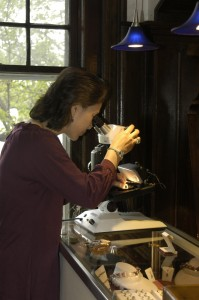
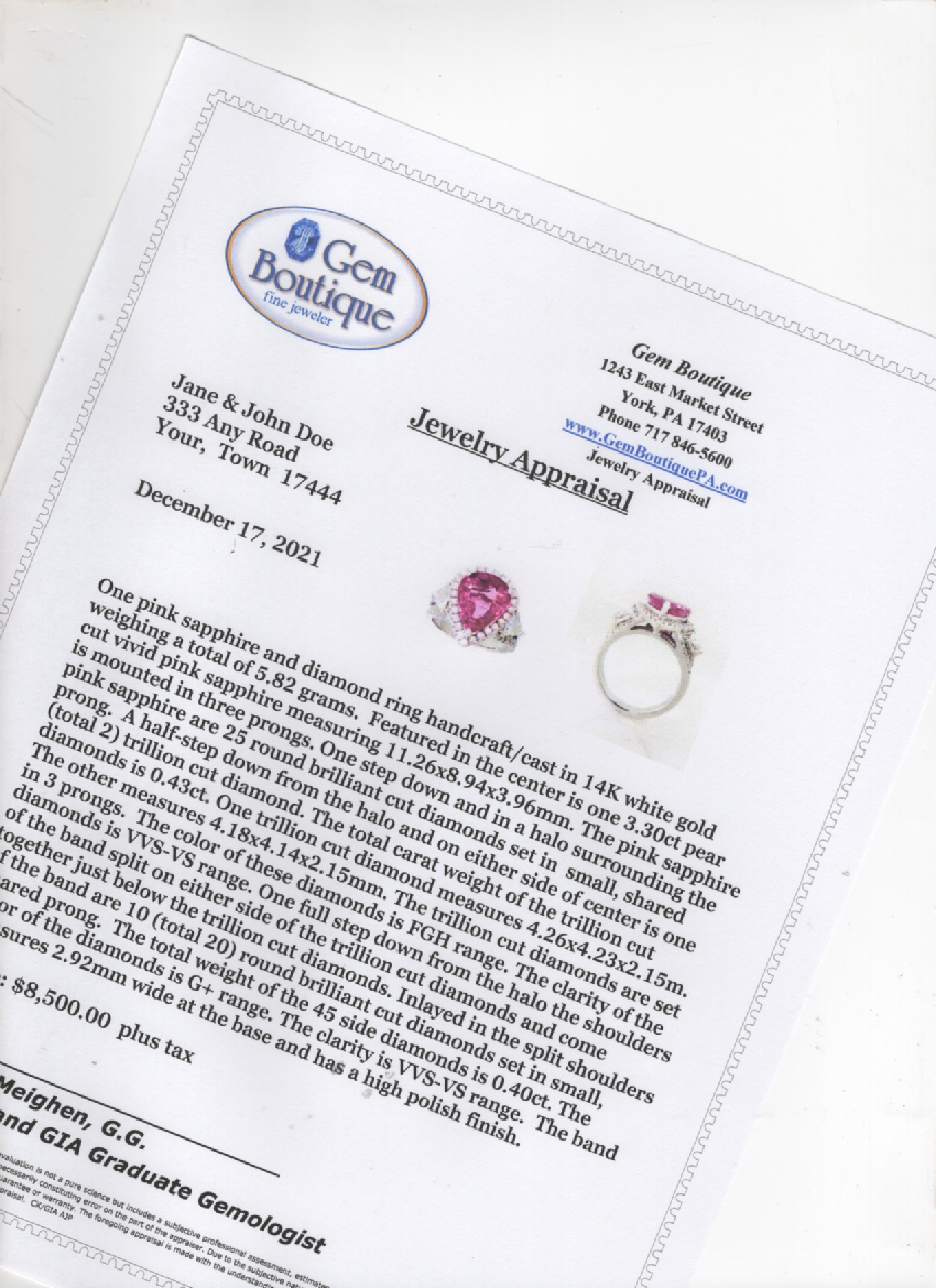
The complete appraisal for jewelry would ascertain all of these and many more questions. The appraiser would analyze your piece with magnification, test for metals, and evaluate the gemstones using the proper industry instruments. The final report from the appraisal would include:
A full description of materials
Photographs of the piece
Stone grading (cut, clarity, color, carat)
Measurements and weight
Maker’s marks, hallmarks, or designer branding
Replacement value (retail, fair market, or liquidation—based on purpose)
Such information is useful not only for insurance purposes but also if you want to use the appraisal to compare pieces, trade them in, or find out about their resale potential. You will move with confidence, knowing exactly what you are supposed to have!
4. Appraisals Simplify Resale, Estate Planning, and Legal Matters
A formal appraisal can make the absolute contrast concerning resale or distributing your trinkets. Should anyone ever plan to part with a piece, either through resale, gifting, or inheritance, an appraisal is, in fact, evidence of the value.
In resale, it backs up your asking price and builds trust with the buyer. It tells the buyers that you’re not just emotionally pricing your trinketry, but a professional has backed your assessment. In case of expensive or very custom kinds of jewelry, the difference in that credibility could make or break the sale.
Appraisals are also extremely helpful in:
Estate planning: Ensures equitable distribution of appraised jewelry among heirs
Divorce settlements: Provide third-party, neutral valuation of shared assets
Donations or charitable gifting: Document the alleged value for tax deductions
Inheriting or gifting jewelry: Communicate its worth and details
When emotions are high—like during a family transition—an objective appraisal can avoid misunderstandings and disputes. It creates clarity during a time when that’s often needed most.
5. Even Sentimental Jewelry Needs Real-World Protection
Many of us own a piece or two that we would never put on the market for sale. These are rings, perhaps, coming from grandparents. Or they are anniversary gifts, or maybe something custom-made. Sometimes these might feel “emotionally priceless,” but there is a need to procure documents on their behalf for some sort of real-world protection.
If at any time your item is lost or damaged, you would want the insurance to afford you either replacement or reconstruction of the article as nearly as possible. A formal appraisal helps this process by documenting the
Materials used
Specifications of the gemstone
Type of chain, clasp, or any custom features
Visuals to assist with recreation
Otherwise, the insurer might only pay for a fraction of the loss, or worse, pay nothing at all. Going even further, you might be in doubt whether you will be able to legally prove that the piece ever existed or that it had any financial worth.
Sentimental Jewelry should be accorded protection equal to the most expensive items you possess. A jewelry appraisal will ensure that the opportunities remain not just remembered, but also protected.
Gem Boutique Offers Two Types of Appraisals
At Gem Boutique in York, PA, we understand that every jewelry owner has different needs. That’s why we offer two types of jewelry appraisals:
Informal Verbal Appraisal: Perfect for those looking to sell their jewelry or simply understand its value. This is a complimentary service with no charge.
Formal Written Appraisal: Ideal for insurance purposes, estate planning, or legal documentation. This includes a detailed report with photos, descriptions, grading, and replacement value. Fees start at $75, depending on the complexity and number of items.
Whether you’re curious about the value of a single item or need an official document for your insurance provider, our team is here to help you make an informed decision.
Final Thoughts: A Smart Step Every Jewelry Owner Should Take
A jewelry appraisal probably isn’t the first thing that comes to mind after purchasing, receiving, or inheriting a piece, but it should be. It’s a rather small investment that returns clarity, protection, and, in the long run, peace of mind.
Whether you’re trying to have something insured or sold, passed down, or simply want to understand the inherent value of your current possession, getting an appraisal places power back into your hands. There’s no use waiting until an actual loss or dispute makes you wish you acted sooner.
Looking for certified jewelry appraisal services in York, PA? VisitGem Boutique for professional evaluations, updated documentation, and personal service from trusted local experts.