Gemstones have captivated people for centuries. Their color, brilliance, rarity, and symbolism can make a piece of jewelry feel truly special. Today, buyers have more choices than ever, including both natural and laboratory-grown gemstones.
At first glance, natural and lab-grown gemstones can look remarkably similar. That is because a lab-grown gemstone is made of the same gem material as its natural counterpart. The key difference is where and how the gemstone was formed.
Natural gemstones develop through processes in nature, while laboratory-grown gemstones are created under controlled laboratory conditions. Understanding this distinction can help you make a more informed decision based on appearance, rarity, value, budget, and personal preference.
What is a Natural Gemstone?
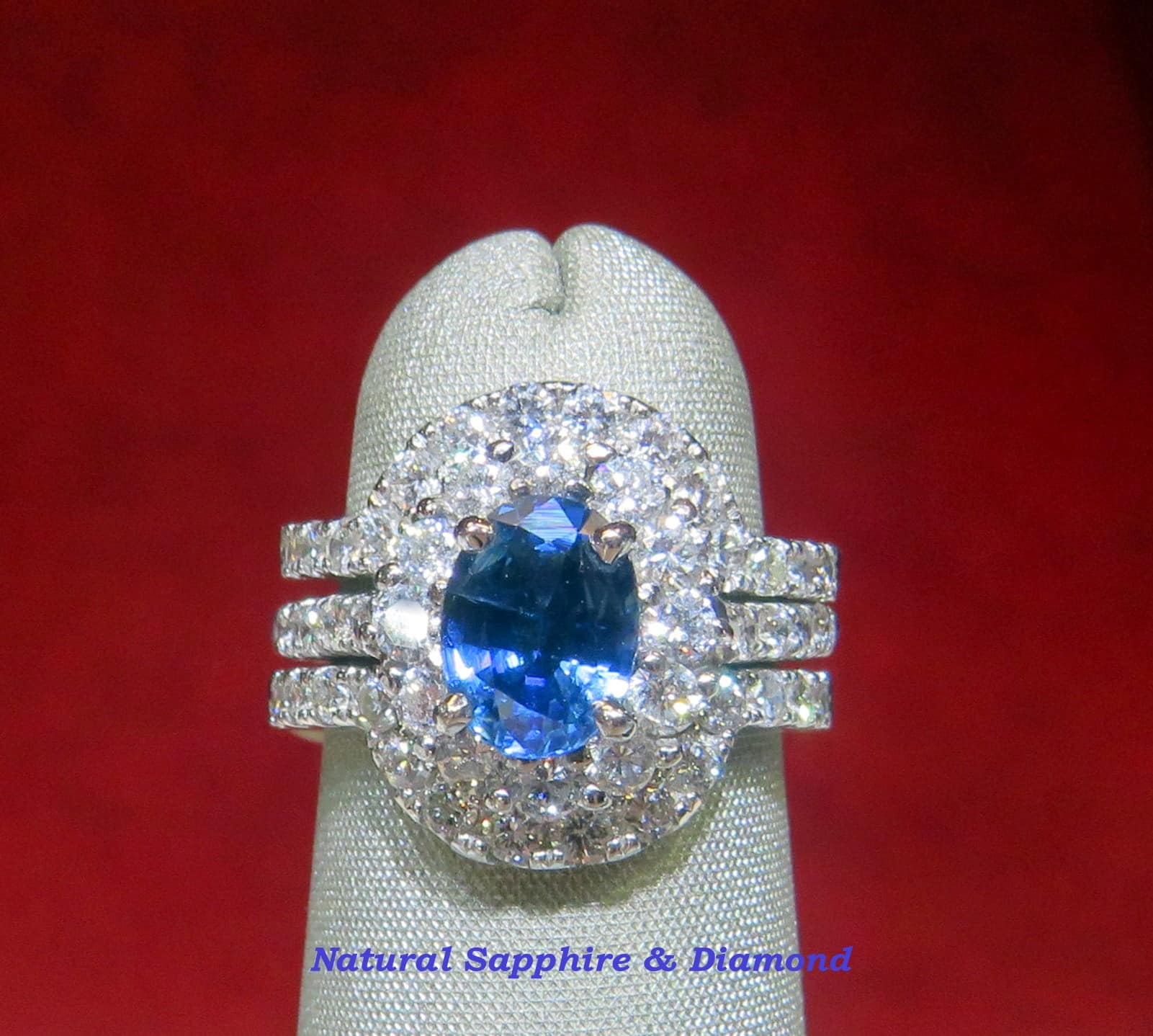
A natural gemstone formed in a natural process. The minerals or organic matter form deep within the earth, or through natural procedures associated with biological processes. Depending on the variety of the gemstone, they can take thousands, millions and even billions of years to form.
Popular types of natural gemstones are amethysts, garnets, rubies, amethysts, sapphires and emeralds plus many other forms. While they form naturally within the earth, inclusions, color differences, and growth patterns and characteristics are natural features that can distinguish its origin through gemological means.
These natural features make gemstones popular among collectors and jewelry lovers. No two natural stones necessarily appear exactly the same, and that is part of its character.
What is a Lab-Grown Gemstone?
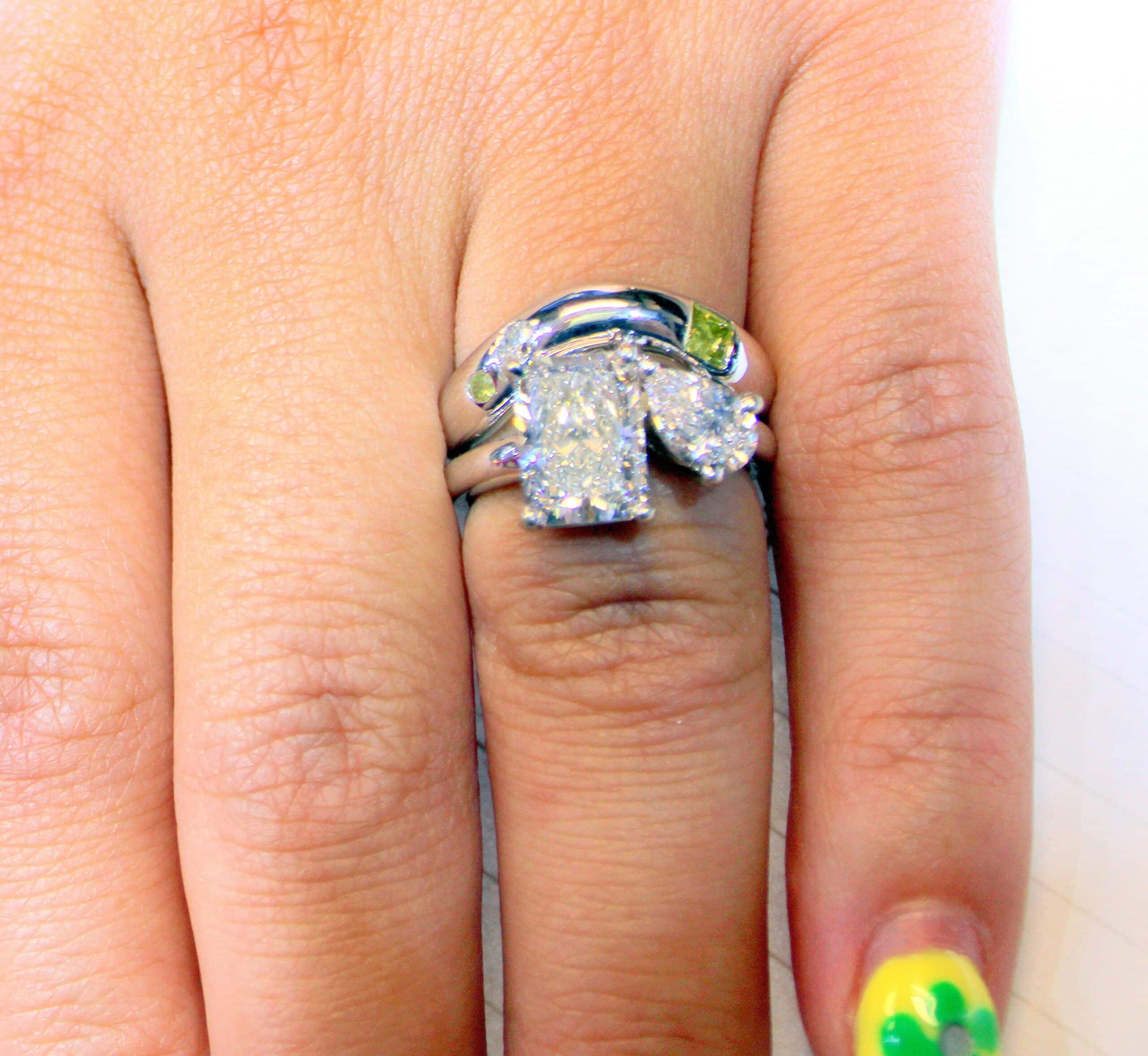
A laboratory-grown gemstone is created under controlled laboratory conditions rather than forming naturally within the earth.
The important distinction is that a lab-grown gemstone is made of the same gem material as its natural counterpart.
For example, lab-grown diamonds are made from carbon, just like natural diamonds. The primary difference is their origin. One develops through natural geological processes within the earth, while the other is created in a laboratory using technology that reproduces the conditions necessary for crystal growth.
Lab-grown gemstones can therefore share the chemical, physical, and optical characteristics associated with their natural counterparts.
Natural vs. Lab-Grown Gemstones: The Biggest Differences
Natural and lab-grown gemstones can have many characteristics in common, but there are important differences buyers should understand.
The biggest distinction is origin. Natural gemstones form in nature, while lab-grown gemstones are produced under controlled laboratory conditions.
Other differences can include rarity, availability, growth characteristics, pricing, and collectibility.
Formation and Origin
Natural gemstones grow naturally and are exposed to the same conditions. The processes that lead to their formation are shaped by the temperature, pressure, surrounding minerals, and various other natural environments of the area.
In some cases, this can be over the course of very long periods of time and under very different environments from one planet location to another. Lab-grown gemstones are produced in conditions that are designed to result in the same natural crystal formation.
Appearance and Color
Natural and lab-grown gemstones can look extremely similar, especially without specialized gemological examination.
Laboratory-grown gemstones can appear to have beautiful color, clarity, brilliance and other characteristics similar to natural gems. Natural gemstones can also have inclusions, variations in color, and growth features due to their natural formation, which can even help make a natural gemstone unique.
But appearance is not always an indicator that a gemstone is natural or lab-grown, and may require a professional gemological examination for a correct identification.
Rarity and Availability
Rarity is a key distinction between natural and lab-grown gemstones.
Natural gemstones are limited by what is produced by nature. Some types of gemstone might only be found in a specific area, and there are many types of high quality gem for size, color and clarity that are hard to find.
Lab-grown gemstones aren’t limited by what nature produces. Some types of gemstones might only be found in a specific area, and there are many types of high quality gem for size, color and clarity that are hard to find.
For buyers interested in especially rare and valuable stones, understanding rarity is important. Some gemstones can reach extraordinary prices because of their combination of rarity, quality, color, provenance, and demand. Exploring examples of the most valuable gemstones can provide useful context for understanding why certain natural stones command such high values.
Are Natural Gemstones More Valuable?
Factors that determine value in a gemstone are also varied and consist of type, color, clarity, cut, carats, rarity, whether it was treated, the country of origin and whether it’s good quality. And it’s always worth noting whether a scarce natural stone is more valuable in properties than an exactly corresponding lab-grown stone.
Natural, earth-mined gemstones may hold their value over time, while lab-grown gemstones may not retain their value in the same way. However origin alone isn’t enough to guarantee an expensive value for a particular stone; it may simply be less desirable than a much better cut natural with better color and clarity due to heavy inclusions or being poor in value through being badly cut.
For buyers, it’s helpful to think about what kind of value matters most. If rarity, natural formation, collectibility, and long-term significance are important, a natural gemstone may be especially appealing. If appearance, consistency, and affordability are higher priorities, a lab-grown gemstone may provide an attractive alternative.
Are Lab-Grown Gemstones Real Gemstones?
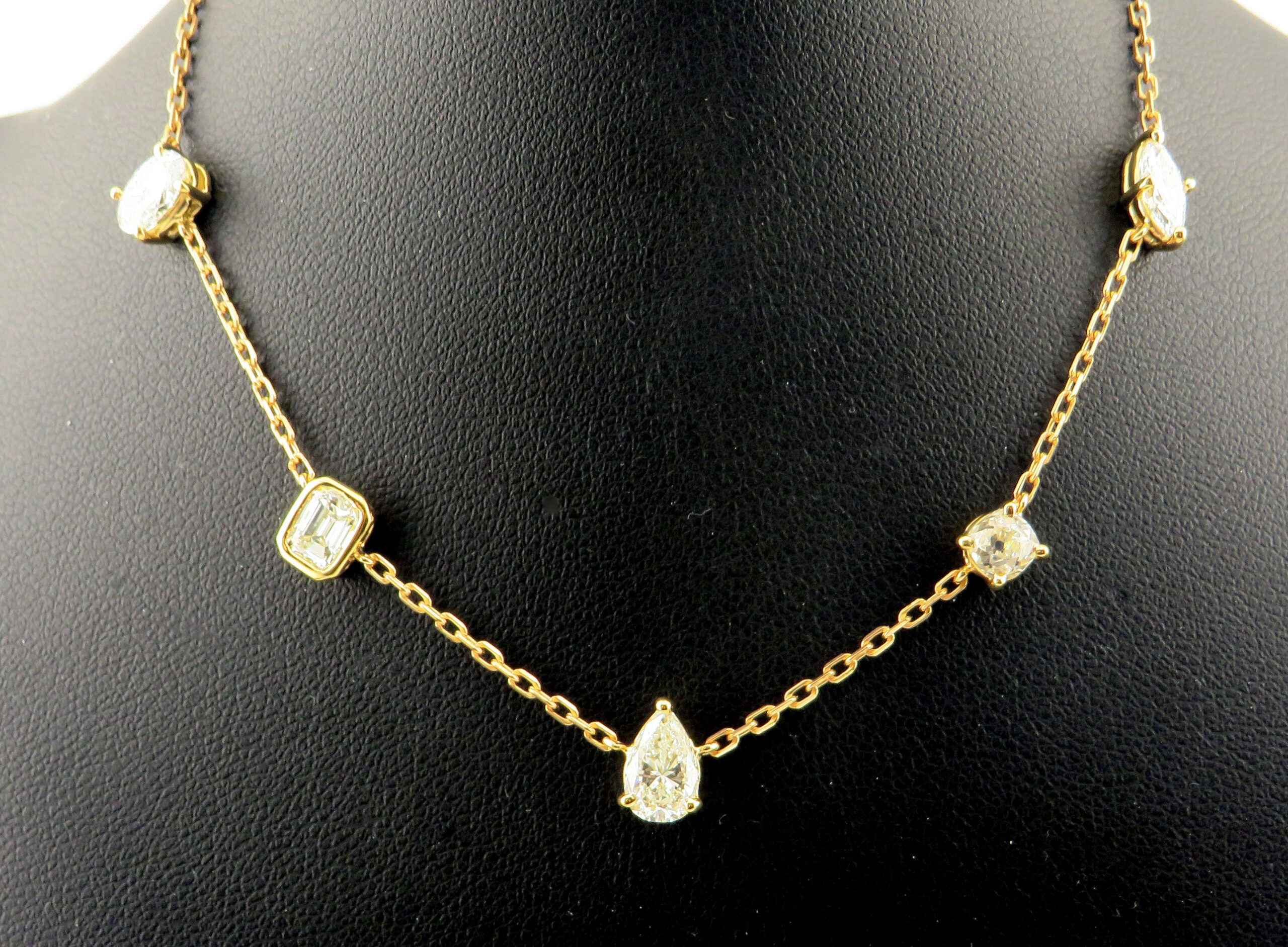
Yes. Lab-grown gemstones are real gem materials. They are created in a laboratory, but they are made of the same gem material as their natural counterparts. A lab-grown diamond, for example, is made from carbon, just like a natural diamond.
A lab-grown ruby has the same fundamental gem material as a naturally occurring ruby. The important difference is origin, not whether the gemstone is real. Natural gemstones form in nature, while laboratory-grown gemstones are created under controlled conditions.
How Can You Tell if a Gemstone is Natural or Lab-Grown?
It can be difficult or impossible to reliably determine whether a gemstone is natural or laboratory-grown simply by looking at it.
Jewellers and gemologists would be able to identify the origin of the gemstone by seeing the inclusion, growth patterns, colour zoning, and other microscopic features. Gemological and laboratory testing is done.
For high-end jewelry, unique gemstones, or any significant purchases, a professional valuation or gemological report will add information and confidence to what you are buying.
When purchasing from a professional Gem Jewelry Store, ask about the gemstone’s origin, treatments, documentation, and other important characteristics. A knowledgeable jeweler should clearly disclose whether a gemstone is natural or laboratory-grown and explain any treatments or other relevant details.
Lab-Grown Gemstones vs. Natural Gemstones for Jewelry
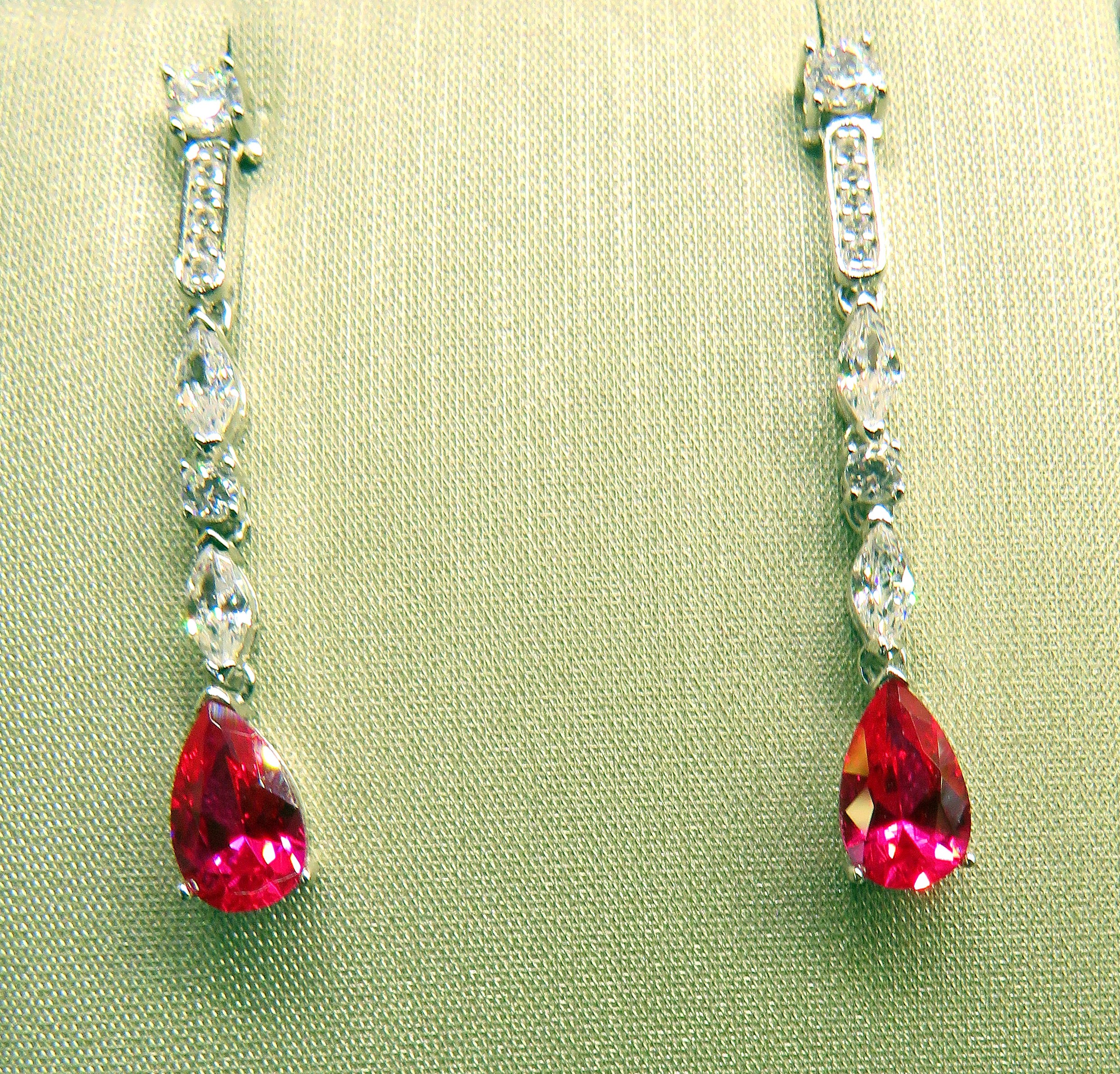
Natural and lab-grown gemstones can both make beautiful jewelry and jewelry stores may offer both options. The right choice for a person depends on those aspects that are most important to them.
Natural gemstones are generally favored by those who have an attachment to their rarity, uniqueness, geological origin and the fact that their gemstone took an incredible amount of time to develop.
Lab-grown gemstones are generally favored by those who want similar gemstone material to the natural product, but value various factors such as cosmetic appearance and availability.
Both can offer beautiful options for rings, necklaces, earrings, bracelets, and custom jewelry.
Which Should You Choose: Natural or Lab-Grown?
Before choosing between natural and lab-grown gemstones, consider what matters most to you.
You may prefer a natural gemstone if you value:
- Natural origin
- Rarity
- Individual characteristics
- Geological history
- Collectibility
Laboratory grown gemstones might be more appealing because of their appearance, availability, uniformity in some qualities and price.
However, the costs of gemstone formation can differ significantly from one gemstone to another, depending on type, size, colour, clarity, cut and overall quality.
Most importantly, be sure to know what you are buying. A good jeweler will be able to explain the difference between natural and lab-made gems and should give information on any treatments or other aspects that might impact a gem’s value.
Why Professional Gemstone Knowledge Matters
Choosing a gemstone involves more than finding the brightest or most colorful stone. Understanding where the gemstone came from, how it formed, whether it has been treated, and how its quality is evaluated can help you make a more informed purchase.
At Gem Boutique PA, our knowledgeable jeweler can explain the characteristics of a particular gemstone, answer questions about its origin, and help you understand how factors such as color, clarity, cut, rarity, and treatment may influence its value.
Whether you’re searching for a gemstone for an engagement ring, heirloom jewelry, a custom design, or simply a beautiful addition to your collection, having accurate information can make the buying experience much easier.
Final Thoughts
Natural and lab-grown gemstones can share the same gem material and many of the same beautiful characteristics. The fundamental difference is how and where they are formed.
Natural gemstones are created through processes in nature, often over extraordinarily long periods of time. Lab-grown gemstones are created under controlled laboratory conditions using technology that enables the same type of gem material to develop.
Natural gemstones may appeal more to buyers who value rarity, natural origin, geological history, and collectibility. Lab-grown gemstones may be attractive to buyers who prioritize appearance, availability, and affordability.