Your engagement ring is one of the most cherished pieces of jewelry you’ll ever own. Because it’s worn every day, it’s exposed to constant wear from work, exercise, household chores, and daily activities. Over time, even the highest-quality engagement rings can develop issues that require professional attention.
Ignoring minor problems today can lead to expensive repairs, missing gemstones, or irreversible damage tomorrow. Recognizing the warning signs early can help protect your investment and keep your ring looking beautiful for years to come.

1. Loose or Moving Center Stone
A loose center stone is one of the most serious warning signs your engagement ring needs repair. If you notice your diamond or gemstone shifting, wobbling, or making a faint rattling sound when you gently shake the ring, the setting may no longer be secure.
A loose stone can fall out unexpectedly, turning a simple repair into a costly replacement. If you notice any movement, it’s best to seek professional jewelry repair as soon as possible.
2. Worn, Bent, or Broken Prongs
Prongs are responsible for holding your gemstone securely in place. Over time, they can wear down, bend, or break due to everyday use and accidental impacts.
Common signs of prong damage include:
- Uneven prongs
- Missing prongs
- Sharp edges that catch on clothing
- Prongs that appear thinner than normal
Regular inspections can help identify prong issues before they lead to stone loss. Following proper care practices outlined in our jewelry maintenance and repair tips can also help extend the life of your engagement ring.
3. Cracks, Dents, or Thinning in the Band
The ring band experiences constant pressure throughout the day. Over time, this can lead to dents, cracks, or areas where the metal begins to thin.
Even small cracks can weaken the ring’s structure and increase the risk of breakage. If you notice visible damage or rough spots along the band, have the ring inspected before the problem becomes more serious.
4. Your Ring No Longer Fits Properly
A ring that suddenly feels loose or tight shouldn’t be ignored. Changes in weight, temperature, and normal wear can affect the fit of your ring.
A loose ring is easier to lose, while a ring that is too tight can place additional stress on the band and setting. Professional resizing can restore both comfort and security.
5. Missing Side Stones or Accent Diamonds
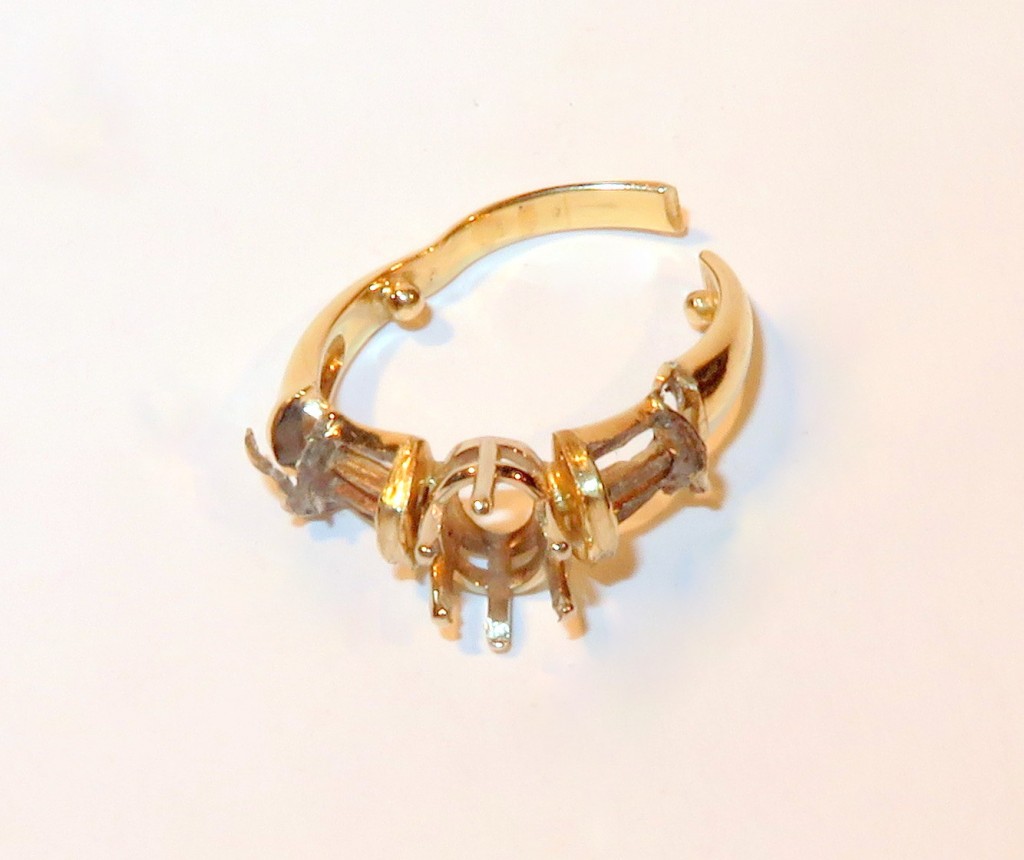
Many engagement rings feature smaller diamonds or gemstones along the band. These stones are often held in delicate settings that can loosen over time.
If you notice a missing stone or an empty setting, schedule a repair immediately. A missing accent stone often indicates that other stones may also be at risk of falling out.
6. Discoloration or Excessive Metal Wear
While some wear is normal, significant discoloration or metal deterioration may indicate a need for professional restoration.
White gold rings, for example, can lose their bright appearance as rhodium plating wears away. Gold and platinum rings may also develop scratches and surface wear over time.
Professional polishing and restoration can bring back your ring’s original beauty while ensuring there are no underlying structural concerns.
7. Crooked or Misaligned Stones
Your center stone and accent stones should sit evenly within their settings. If a gemstone appears tilted, crooked, or uneven, the setting may have been damaged.
This issue often occurs after the ring experiences a hard impact. Prompt repair can prevent additional stress on the setting and reduce the risk of losing the stone.
8. The Ring Snags on Clothing
If your ring suddenly begins catching on sweaters, blankets, or other fabrics, it may be a sign of damaged prongs or a compromised setting.
Many people overlook this warning sign, but snagging is often one of the earliest indicators that repairs are needed. Addressing the issue quickly can prevent more extensive damage later.
9. Deep Scratches and Visible Wear
Minor scratches are normal, especially on rings worn daily. However, deep scratches, gouges, or visible wear patterns may indicate that the metal is weakening.
A professional jeweler can restore the finish and evaluate whether additional repairs are needed to maintain the ring’s strength and durability.
Why Regular Ring Inspections Matter
Many engagement ring problems begin as small issues that are difficult to see with the naked eye. Routine inspections allow jewelers to identify loose stones, worn prongs, thinning metal, and other concerns before they become costly repairs.
If you’re unsure how often your jewelry should be inspected, our complete jewelry repair guide explains common repair services, maintenance recommendations, and what to expect during professional jewelry inspections.
Protect Your Engagement Ring Before Small Problems Become Big Ones
Your engagement ring represents a significant emotional and financial investment. Paying attention to loose stones, damaged prongs, worn bands, and other warning signs can help prevent expensive repairs and preserve your ring for years to come.
If your ring is showing any of these warning signs, addressing the issue early can help prevent more extensive damage and costly repairs. Whether it’s a loose stone, worn prongs, or a damaged band, professional attention can help preserve both the beauty and security of your engagement ring.
For expert jewelry repair in York, PA, trust the experienced team at Gem Boutique to keep your most treasured pieces in excellent condition.