Jewelry is meant to be worn, admired, and enjoyed, but keeping your favorite pieces looking their best requires more than an occasional wipe with a cloth. While regular cleaning can help remove dirt, oils, and everyday buildup, using the wrong technique or cleaning product can do more harm than good.
From harsh household chemicals to excessive scrubbing, some common jewelry cleaning mistakes can scratch delicate surfaces, weaken settings, dull finishes, or even damage gemstones. Understanding what not to do is just as important as knowing how to clean jewelry properly.
Why Proper Jewelry Cleaning Matters
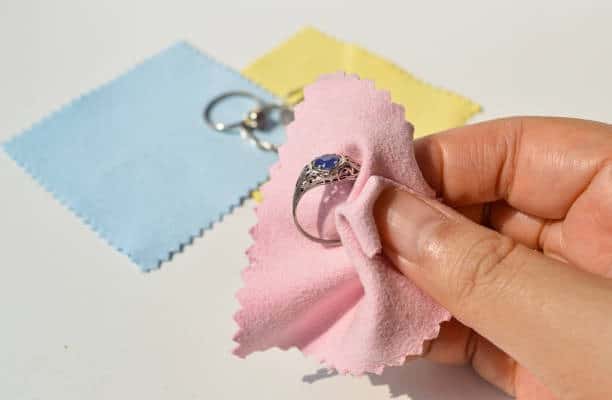
Over time, jewelry collects body oils, lotions, makeup, dust, and other residue. This buildup can make even a beautiful piece look dull. Regular, gentle cleaning can restore its appearance and help you enjoy it for years.
However, different metals and gemstones respond differently to cleaning methods. What works well for one piece may be too harsh for another. Gold, silver, platinum, diamonds, pearls, and colored gemstones can each have different care requirements.
That is why jewelry cleaning should never be treated as a universal process. Before reaching for a household cleaner or an abrasive brush, it is worth considering what your jewelry is actually made of.
Cleaning Mistakes That Slowly Damage Your Favorite Jewelry
Using Harsh Household Cleaners
One of the cleaning jewelry myths is that whatever cleans it and sterilizes goods in such a way that it also cleans your good gold or silver. If anything is bleach or chloride or ammonia or any type of harsh chemical then it can strip your finishes, harm your metal, damage your precious gem and destroy other pieces of your jewelry!
There is no need to sterilize jewelry. Many times, soap and lukewarm water or a soft cloth is all that is needed. If there’s doubt in your mind as to what the item can stand, look for wear instructions or ask a jeweler.
Scrubbing Jewelry Too Aggressively
When jewelry looks dull, it can be tempting to scrub it until it shines. Unfortunately, aggressive brushing can create scratches or put unnecessary pressure on delicate settings.
A soft-bristled brush can sometimes be useful for reaching areas around gemstones or intricate designs, but pressure matters. Gentle movements are preferable to vigorous scrubbing. For especially delicate pieces, a soft jewelry cloth may be all that is needed to remove surface residue. Remember, cleaning should remove buildup, not physically wear down the jewelry.
Cleaning Every Gemstone the Same Way
Another mistake people make is having a single cleaning solution used for every gemstone. While a lot of gemstones will tolerate a gentle soap and water cleaning, others are very sensitive to water, extreme heat and cold, chemicals, and extreme temperature changes.
For porous or delicate gemstones and natural gems such as pearls will be different from how you clean very resilient gemstones like a diamond, and many types of treated or fracture-filled gemstones.
If you are unsure whether a gemstone is safe to soak or scrub, avoid experimenting. Learning the specific care requirements for your piece can prevent an innocent cleaning attempt from becoming an expensive repair.
Soaking Jewelry for Too Long
Washing jewelry in soapy water might be tempting as a quick method to loosen the dirt; however, submerging some jewelry in water for long periods of time is often not recommended. Water gets stuck in settings, in the places between stones and the frame, and under any raised features on the piece of jewelry; hence, comprehensive drying is challenging.
Jewelry made of fragile items, some gems, and even pieces with glued parts are best not soaked. Instead of placing jewelry in water indefinitely, use a more controlled method of cleaning followed by detailed drying.
Using Toothpaste to Polish Jewelry
This toothpaste trick has been circulated for quite some time, but it’s not for all jewelry. Many toothpastes have light abrasive materials in them that help get stains off of the enamel on your teeth; it can be the same thing that is scratching that particular metal or surface treatment.
It may look bright and shiny momentarily, but you can leave the jewelry in worse condition. Using jewelry polishing cloths or the right type of jewelry polish for the metal are your best options.
Using the Wrong Jewelry Polishing Cloth
Each cloth won’t work on any kind of jewelry. For example, you need a cloth specifically made for polishing silver or something made for polishing gold or only certain kinds of finishes. A product that’s not made for jewelry polishing can even damage the surface of your jewelry.
Make sure, before using any cloth or cleaning solution, what it is meant for. Extra care should be taken if the jewelry you own has unusual finishes, has plating, or has a sensitive surface finish.
Not Drying Jewelry Properly
Cleaning your jewelry is only half the process. Proper drying matters too. Leaving moisture behind can contribute to residue buildup and may be particularly problematic for pieces with intricate settings or materials that should not remain wet.
After cleaning, gently pat the jewelry dry with a soft, lint-free cloth and allow it to completely air dry when appropriate. Avoid rubbing delicate pieces aggressively simply to speed up the drying process.
How to Clean Jewelry Safely
For many everyday pieces that are safe to clean with water, a simple approach is best. Begin with having some cool to warm tap water and a bit of mild dish soap. Clean Jewelry softly with a soft cloth or a suitable soft brush, especially on areas that accumulate dirt.
Rinse the Jewelry thoroughly only if the instructions on Care Card; after that, pat the jewelry dry with a soft cloth that does not produce lint. Ensure there is adequate time to fully dry the jewelry before placing it back.
Most importantly, this method is not suitable for every gemstone or jewelry material. When in doubt, refer to the piece’s care instructions or ask a professional jeweler.
When Should You Have Jewelry Professionally Cleaned?
It is convenient to clean some jewelry items at home, but it is beneficial to send valuable pieces for a professional cleaning, fine jewelry pieces or family heirlooms, also if they are intricately designed. At Gem Boutique PA, we can help ensure that the jewelry is cleaned appropriately without compromising their delicate details.
If you have an engagement ring, learning more about engagement ring cleaning and maintenance can also help you understand how regular care and professional inspections can protect its beauty over time.
While the jeweler will also clean every corner that is nearly impossible to reach, they will also inspect the settings, clasps, prongs or any other jewelry component for signs of wear.
If you have discovered a gemstone that came loose or a broken setting, or other similar problems, it would not cost much more to have a professional inspect the jewelry. Whether it is your heirloom or often-used jewelry piece, it should be cleaned by professionals for luster shine.
Keep Your Jewelry Beautiful Without Over-Cleaning It
Cleaning jewelry is not about restoring all items to a flawless, new condition through heavy polishing. It’s the artful removal of daily grime while protecting the metal, gemstones, finishes, and structure of the piece itself.
By skipping these jewelry cleaning errors, such as the use of chemical detergents, over-scrubbing, polishing with abrasive agents, and cleaning fragile stones without taking into consideration their sensitivity levels, you will be able to maximize the shine and durability of your pieces.