Jewelry is more than something you wear to complete an outfit. A beautifully crafted ring, necklace, bracelet, or pair of earrings can represent love, celebrate a milestone, preserve a memory, or become a treasured heirloom passed down through generations. But have you ever wondered why one piece of jewelry can be worth significantly more than another that looks almost identical?
The value of jewelry is determined by much more than its appearance. Precious metals, gemstones, craftsmanship, rarity, design, brand reputation, and even a piece’s history can all influence its worth. Whether you’re shopping for a special occasion, considering a fine custom jewelry, or looking at jewelry as a long-term investment, understanding these factors can help you make a more informed decision.
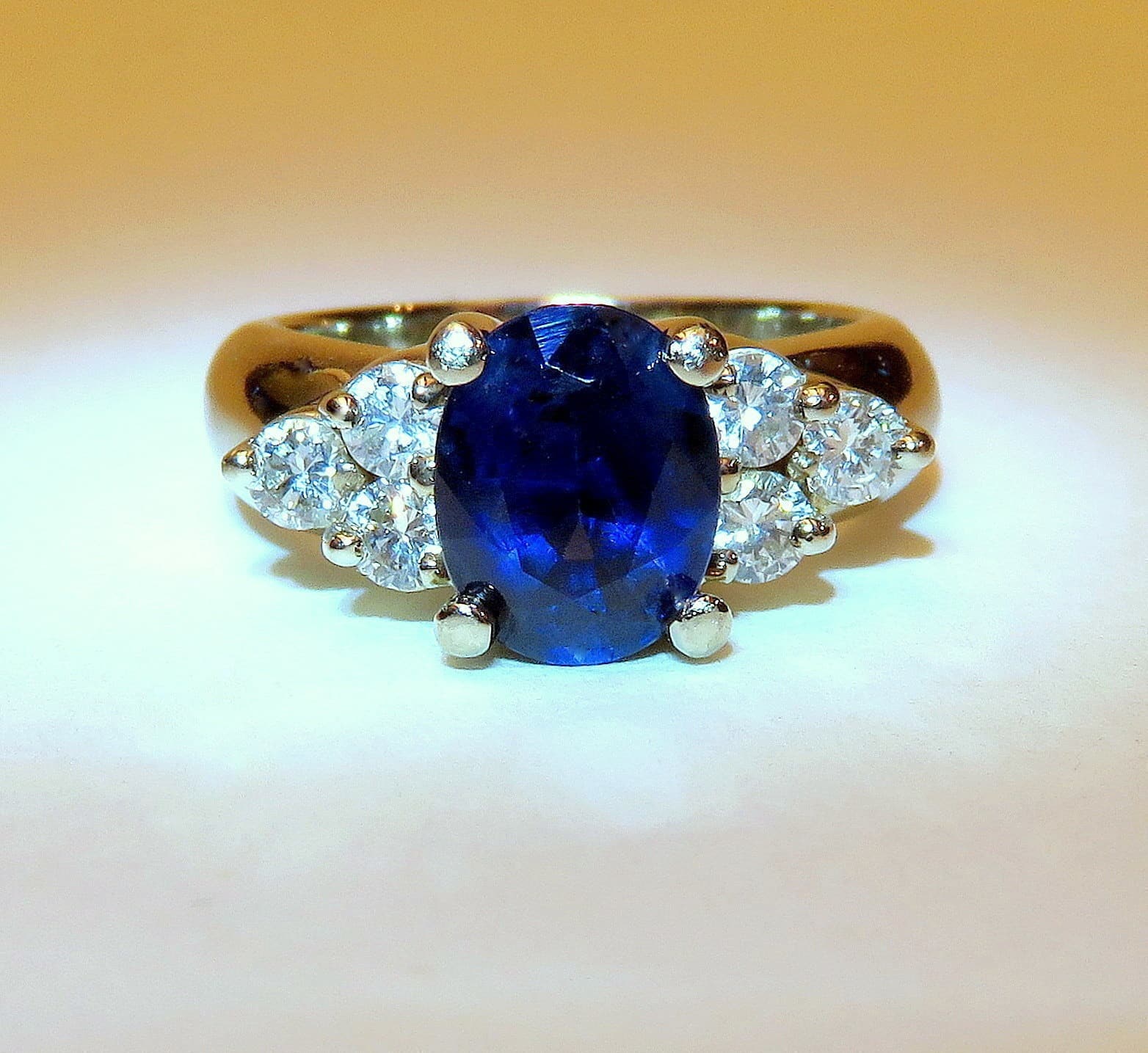
7 Factors That Determine the Value of Jewelry
1. The Quality and Type of Precious Metal
One of the best ways to determine the worth of jewelry relates to the material composition. Gold, platinum, and other precious metals have worth inherent in their elemental appearance but also can fluctuate in value due to percent pure.
For example, gold has various karat levels like 10, 14, 18, and 24K. Typically, higher karats hold more pure gold. Platinum has more durable components, although it’s harder to locate, making its value soar; it also doesn’t include a wide selection of levels; therefore, the more it costs. The metal itself needs to weigh the same amount of material to be equally valued as other metals, making weight relevant to worth.
However, the metal alone does not determine the final price. Two pieces containing a similar amount of gold can have very different values depending on their gemstones, craftsmanship, design, and other characteristics.
2. Gemstone Quality Matters
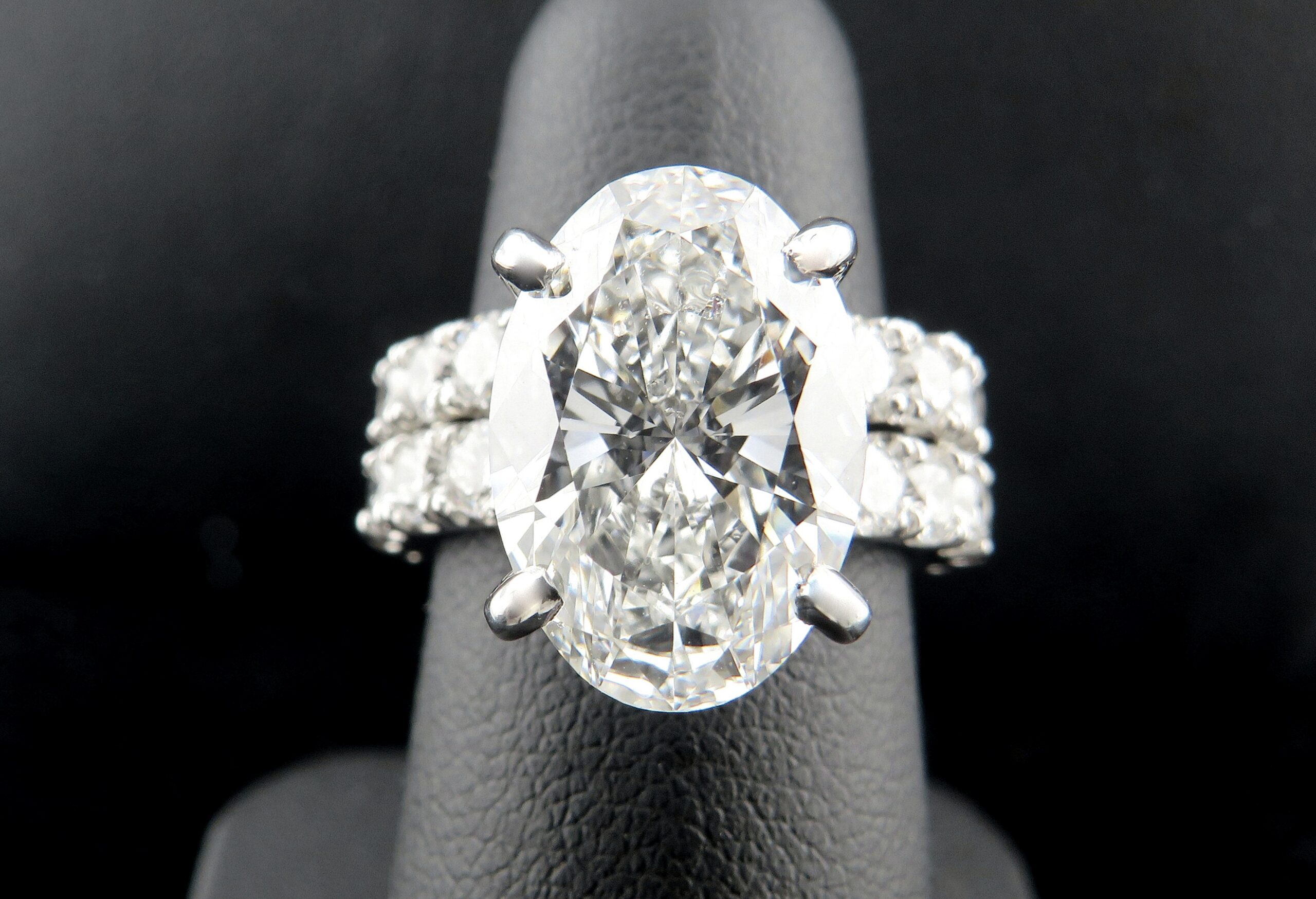
If any stones, either diamonds or colored stones, are part of the design, they can have a significant impact on the value of the piece. When exploring the most valuable gemstones, it’s important to consider factors such as rarity, quality, color, clarity, origin, and market demand. For diamonds, the classic 4Cs which are cut, color, clarity, and carat, can provide a helpful framework for evaluating their quality and value.
Cut is especially crucial, as it has a substantial bearing on the brilliance of a diamond and the way it bounces light. Even a smaller properly cut stone can outshine a bigger, disproportionate, flawed cut diamond.
Color gemstone considerations can also affect desirability and value. Such factors as hue, brilliance, clarity, origin, scarcity, and treatment can have an impact on a color gemstone, so much so that a large rare color gemstone of fantastic color and clarity can be worth many more than another larger commoner stone.
3. Rarity Can Increase Jewelry Value
Scarcity is a key component and may influence how jewelry is valued and the price that may be asked for when it comes time to sell jewelry. Rare gems, unique metal types, original designs and limited productions may influence a piece’s scarcity value.
Unusual gemstones, vintage collections and limited edition designs and jewelry pieces, such as custom work, may achieve higher price tags than other less scarce items of equal material quality, on the basis that the exclusivity is worth more than just the cost of materials or other similar factors. If you’re interested in how personalization and craftsmanship can influence jewelry value, learn more about custom jewelry value.
4. Craftsmanship and Attention to Detail
While gemstones might be the substance of a piece, it is craftsmanship that makes it valuable. Better-made, finished, set, proportional, and detailed jewelry will look and wear much better.
This includes designing with materials as well as setting stones, using clasps, and making finished surfaces. Intricate detail such as hand engraving, hand filigree work, and handmade setting can even take a considerable amount of time and care in order to perfect it all.
This is the reason why professionally custom designed jewelry commands a higher premium over the equivalent mass produced item of similar appearance. You pay for the finished product, but also for the considerable amount of skill needed to create it.
5. The Design and Uniqueness of the Piece
Quality designs never go out of fashion and can appreciate in value over the years especially if it is in popular demand and continues to be the vogue. What makes a unique jewel design is the quality of the item. From the balance of the stones to its proportions, setting and how they all come together to make it a quality.
This feature stands particularly out if you want custom-made jewelry based on personal style, story, event, or a cherished memory. A unique design also gives a piece character. Instead of simply choosing a piece because it is valuable, many buyers want jewelry that feels connected to their personality and can become part of their story.
6. Brand, Reputation, and Provenance
The value of an item can also be influenced by whose name is attached. Valuables from well-known jewelry companies and esteemed designers can command more through buyers association of names with quality and craftsmanship, a heritage of style, security in terms of quality control, and exclusivity. Provenance could be a contributing factor to its value as well.
Jewelry having its own provenance, including interesting ownership history or importance, may be attractive beyond its physical materials. Vintage and antique jewelry may be examples that may fetch a higher price due to their history.
Brand recognition is not the only measure of quality. An expertly crafted piece from an independent jeweler can offer exceptional materials, workmanship, and design without carrying the premium associated with a famous name.
7. Condition, Certification, and Authenticity
The condition of a piece can have a substantial effect on its value. Jewelry that has been well maintained and shows minimal damage or excessive wear is generally more desirable than a comparable piece in poor condition.
Certification is also something to look out for, especially if the item is a gemstone. Certification provides a grading report that may specify carat, colour, cut and clarity, for example. Paperwork, when it comes to metals and antiques in particular, can instill trust in the real deal.
Remember to check for gemstone certification, metals content, guarantees/ warranties and papers when it comes to big purchases. This gives you more certainty as to what you are buying, not relying purely on looks to judge what an item is worth.
Does Jewelry Hold Its Value Over Time?
Just because there are certain types of jewelry that retain their value and in some circumstances can gain in value doesn’t mean that all jewelry can be a good financial investment. Depending on the market for your particular item, the cost of precious metal, the scarcity of stone, the craftsmanship, the design of the piece, its condition and several other factors, a piece can only increase or decrease in value.
Jewelry that is well crafted from good quality materials with lasting designs has a better chance of a good future than jewelry from recent seasons with fleeting styles. The appeal to collectors of vintage or antique pieces may ensure that their value is maintained and can grow. Regardless, resale prices are often a good deal lower than purchasing new prices, and thus, it should never be said that it is smart to buy jewelry that you do not genuinely like and think it will grow in value.
How to Choose Jewelry That Offers Lasting Value
When you’re buying jewelry, it’s easy to think just of the price or just the aesthetic value. Not only the metal, and gemstones are something that you have to be conscious of when buying jewelry, but you have to observe the quality of the metal, gemstone attributes, the crafting involved, the design of this piece of jewelry, its distinctiveness from other pieces that are bought at this same time, as well as paperwork that may arrive with it.
Your personal style also matters because you want a piece that suits your personality and that you will enjoy wearing for many years.
What Should You Consider Before Buying Valuable Jewelry?
When investing in valuable pieces of jewelry, there are a lot of factors you should consider beyond simply “looking good. The factors may include materials used, the jeweler’s track record, quality of craftsmanship, gemstone qualities, any provided documentation, and if the design complements your personal preferences.
Finally, you should think about how often you’re willing to and are capable of wearing and maintaining the item. A piece of jewelry that fits your lifestyle, is well-made, and that you can care for could be more rewarding than one bought because it is too expensive.
What Really Makes Jewelry Valuable?
Jewelry value goes far beyond its price tag. The quality of the precious metal, gemstone characteristics, rarity, craftsmanship, design, brand reputation, and overall condition can all influence what a piece is worth. However, the true appeal of fine jewelry often comes from the combination of quality and meaning.
Whether you’re choosing a diamond ring, investing in a timeless necklace, or selecting a custom piece for someone special, understanding these factors can help you make a confident decision. Ultimately, valuable jewelry is not only about what it costs today, but it is about the beauty, craftsmanship, and memories that can make it meaningful for years to come.
If you’re in York, PA, or the surrounding area, Gem Boutique can help you understand what makes jewelry valuable and find a piece that fits your style, preferences, and budget.